
Does Your Cat’s Diet Affect Shedding?
Key Takeaways
- Cat shedding is a natural process, but a complete and balanced diet plays an essential role in maintaining a healthy cat coat and supporting overall skin health.
- Key nutrients — including omega fatty acids, protein, biotin and trace minerals — directly influence coat condition and may help manage excessive shedding.
- Poor nutrition can contribute to cat hair loss, but shedding can also result from parasites, allergies, stress or underlying health conditions.
- If your cat’s shedding seems excessive or is accompanied by bald patches, skin irritation or behavioural changes, it is important to speak with your veterinarian.
Image by Jonathan Cooper on Unsplash
Cat shedding is a normal part of life — those delicate tufts of fur on your sofa, your clothes and just about every surface of your home are a sign that your feline’s coat is renewing itself as it should. But when shedding seems excessive, many devoted cat owners wonder whether nutrition could be playing a role. The answer is a nuanced one: while seasonal changes, breed and age all influence how much a cat sheds, a complete and balanced diet is essential for maintaining a healthy cat coat and supporting overall cat health.
Is Cat Shedding Normal?
Cat shedding is a natural process that helps cats replace old or damaged hair. While some shedding is expected throughout the year, factors such as breed, season, age and overall cat health can influence how much a cat sheds.
Most cats shed year-round, with noticeable increases during spring and autumn as their coats adapt to changing temperatures. Indoor cats, kept in climate-controlled environments with consistent artificial lighting, may shed more uniformly throughout the year rather than following a distinct seasonal pattern. Long-haired breeds such as Persians and Maine Coons naturally shed more than their short-haired counterparts simply because they have more hair to lose.
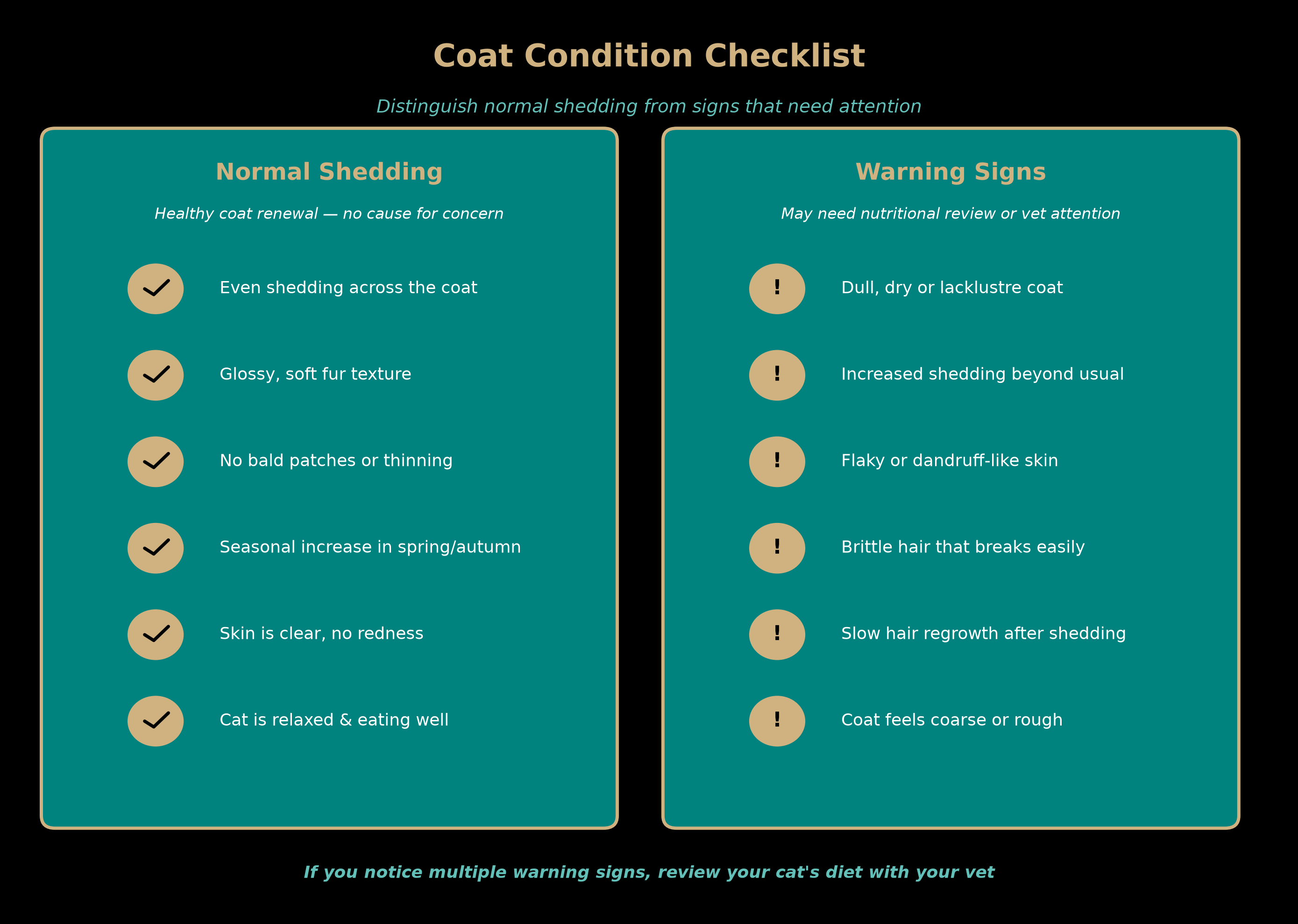
So when is shedding normal, and when should you take notice? A healthy cat coat should be glossy, soft and free from bald patches, redness or flaky skin. If your cat is shedding within their usual pattern and their coat looks and feels healthy, there is likely no cause for concern. However, if you notice a sudden increase in shedding, thinning fur or bare patches, it may be time to look more closely at both diet and health.
How Diet Affects Skin and Coat Health
The condition of your cat’s coat is a visible reflection of their internal health, and nutrition plays a central role. The Waltham Petcare Science Institute, Mars Petcare’s dedicated science centre, has spent decades researching the optimal balance of nutrients that allow cats to thrive — including the specific nutrients required for healthy skin and coat condition.
Your cat’s skin and coat are metabolically active tissues that require a steady supply of nutrients to maintain themselves. Hair follicles are among the most rapidly dividing cells in the body, and they depend on adequate protein, fatty acids, vitamins and minerals to produce strong, healthy hair. When a cat’s diet is deficient in any of these key nutrients, the coat is often one of the first places the signs appear — dullness, dryness, increased shedding and even hair loss.
Research published in Frontiers in Veterinary Science has shown that skin and coat health in cats is influenced by epidermal barrier integrity, nutritional status and oxidative balance — all of which are closely tied to diet. In other words, what you feed your cat does not just fill their bowl; it actively shapes the health and beauty of their coat.
Nutrients That Support a Healthy Cat Coat
A complete and balanced diet provides the foundation for a healthy cat coat. While nutrition cannot prevent all causes of cat shedding, certain nutrients are particularly important for coat condition and overall cat health.
Omega-3 and omega-6 fatty acids: These essential fatty acids are among the most important nutrients for skin and coat health. The WALTHAM™ essential nutrition guide notes that a deficiency in omega-6 fatty acids can cause poor skin and coat condition, resulting in dry, irritated, flaky skin and a dull appearance. Omega-3s help support the skin’s natural barrier and reduce inflammation.
High-quality protein: Hair is composed primarily of a protein called keratin. A diet rich in high-quality, animal-based protein provides the amino acids your cat needs to grow strong, healthy hair. Cats are obligate carnivores, meaning they rely on protein as a primary energy source.
Biotin (vitamin B7): Biotin is one of the most important vitamins for a glossy coat and healthy skin. WALTHAM™ research highlights that biotin is directly involved in healthy skin functioning, and that in cats — unlike dogs — a dietary source is required.
Trace minerals (zinc, copper, manganese, iron): A 2025 study found that cats fed organic, amino acid-complexed trace minerals showed decreased hair loss (shedding) and improved haircoat scores, with less dander. This research supports the use of well-absorbed trace minerals as a nutritional strategy to maintain coat health.
Vitamin A and vitamin E: These antioxidants support skin cell health and help protect against oxidative damage, contributing to a soft, lustrous coat.
Signs Nutrition Could Be Contributing to Excessive Shedding
Helping pet parents recognise when cat shedding may be linked to nutrition is an important step. While shedding is normal, poor coat condition or changes in hair growth can sometimes indicate that a cat is not receiving the nutrients needed to support optimal skin and coat health.
Look out for these signs that nutrition may be a contributing factor:
- A dull, dry or lacklustre coat that has lost its natural sheen
- Increased shedding that goes beyond your cat’s usual seasonal pattern
- Flaky or dandruff-like skin visible beneath the fur
- Hair that feels brittle or breaks easily when gently pulled
- Slow hair regrowth after shedding or grooming
- A coat that lacks softness or feels coarse to the touch
If you notice several of these signs, it may be worth reviewing your cat’s diet with your veterinarian to ensure they are receiving a complete and balanced formulation.
Other Causes of Excessive Shedding in Cats
While diet can influence cat shedding and coat quality, it is not the only factor. Cat hair loss and excessive shedding can also result from health, environmental or behavioural issues that may require veterinary attention.
- Parasites: Fleas, mites and other parasites can cause intense itching, leading to over-grooming and significant hair loss.
- Allergies: Food allergies or environmental allergies can trigger skin inflammation and excessive shedding.
- Stress and anxiety: Cats may over-groom in response to stress, leading to thinning fur and bald patches. Regular play and enrichment can help — see our guide to playing with your cat.
- Hormonal imbalances: Conditions such as hyperthyroidism can affect coat condition and cause increased shedding.
- Underlying illness: Kidney disease, infections and other health conditions can manifest as changes in coat quality.
- Pregnancy and nursing: Hormonal changes during pregnancy and lactation can increase shedding.
Choosing the Right Food for Coat Health
Selecting the right food is one of the most meaningful things you can do to support a healthy cat coat. Look for a premium, complete and balanced cat food that provides:
- High-quality animal protein as a primary ingredient
- Omega-3 and omega-6 fatty acids from fish or plant sources
- Essential vitamins and minerals, including biotin, zinc and vitamin E
- A formulation appropriate for your cat’s life stage — kitten, adult or senior
Premium cat food brands invest heavily in nutritional research to ensure their recipes deliver the optimal balance of nutrients. WALTHAM™ scientists have demonstrated that the source of nutrients matters — for example, their research determined the specific levels of zinc and linoleic acid required to maintain good skin and coat condition. Choosing a food backed by this kind of science gives you confidence that every meal is supporting your cat’s coat from the inside out.
For practical steps to manage shedding on the outside, explore our cat grooming guide with tips and tricks, and learn about choosing the right cat brush to keep loose hair under control.
When to Speak with a Veterinarian
If your cat’s shedding seems excessive or is accompanied by any of the following signs, it is time to consult your veterinarian:
- Bald patches or significant thinning of the coat
- Red, inflamed or irritated skin beneath the fur
- Excessive scratching, licking or grooming in specific areas
- Sudden or dramatic changes in shedding patterns
- Weight loss, lethargy or changes in appetite alongside coat changes
- Sores, scabs or signs of infection on the skin
Your veterinarian can help determine whether the shedding is nutrition-related or stems from another underlying cause, and recommend the most appropriate course of action.
Want to understand your cat's wellbeing even more deeply?
Our guide to decoding your cat's tail reveals how every flick and swish offers clues to their health.