
HOW TO DECODE YOUR CAT'S TAIL
Key Takeaways
- A cat’s tail is one of their most expressive communication tools — understanding cat tail meaning helps you respond to their needs
- A straight, upright tail signals happiness and confidence; a question-mark hook means your cat is feeling playful
- A tucked or low tail indicates fear or anxiety; a puffed tail means your cat feels threatened
- Flicking tails are a warning sign — give your cat space when you see this
- Always read tail signals alongside ears, eyes, whiskers, posture, and vocalisations for the full picture
A Complete Guide to Cat Tail Meaning
Cats are master communicators. Though they may not speak our language, their tails are one of their most expressive tools for telling us exactly how they feel. Understanding cat tail meaning is the first step toward reading your feline’s mood, anticipating their needs, and deepening the bond you share.
Why do cats use their tails for communication? In the wild, a tail serves practical purposes — balance, agility, and temperature regulation. But domestic cats have evolved to repurpose tail movements as a rich social language, signalling everything from contentment to alarm. A flagpole tail greeting you at the door, a slow swish while watching a bird, a puffed-up brush when startled — each movement carries a distinct message.
Tail movements rarely tell the whole story on their own. They work in concert with ears, eyes, whiskers, posture, and vocalisations to form a complete picture of your cat’s emotional state. A straight-up tail might mean confidence — but pair it with flattened ears and dilated pupils, and the message shifts entirely. Learning to read these signals together is what separates guessing from truly understanding your cat.
What can owners learn from observing tail positions? Quite a lot. By paying attention to your cat’s tail over days and weeks, you’ll start to recognise patterns — what makes them happy, what triggers stress, when they want interaction, and when they need space. This observational skill helps you respond more effectively, strengthen your bond, and spot signs of illness or anxiety early.
Why Your Cat’s Tail Is a Communication Tool
Your cat’s tail is a remarkable multi-purpose organ. It aids balance and agility, helps regulate body temperature, and — perhaps most fascinatingly — serves as one of their primary tools for communication. While wild cats use their tails largely for physical coordination, domestic cats have developed a sophisticated social language through tail movement, one they direct at humans and other animals alike.
Cat tail communication is surprisingly nuanced. A quivering upright tail means something entirely different from a slow side-to-side swish, which in turn differs from a sharp, hard flick. Over time, cats learn which tail movements elicit responses from their humans — and they use this knowledge deliberately. When your cat approaches you with a flagpole tail and a trill, they’re not just walking; they’re sending a greeting.
Understanding cat tail communication matters because it strengthens the human–cat bond in tangible ways. When you can read your cat’s tail, you know when to offer affection, when to initiate play, and — crucially — when to step back. Misreading a flicking tail as an invitation to pet can lead to overstimulation and a scratch. Reading it correctly as a warning gives your cat the space they need.
The most important principle: no single signal should be read in isolation. A tail is never the whole story. Always consider the context — the environment, the accompanying body language, and your cat’s individual personality. Every cat is unique, and what a tail position means for one cat may differ slightly for another. The key is observation, pattern recognition, and context.
Common Cat Tail Positions and What They Mean
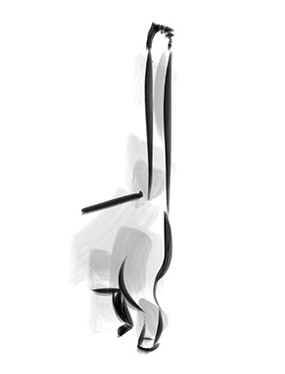
Flagpole
As the name suggests, this straight, rigid tail position looks as if you could fly a flag from it.
What it means: A flagpole tail is one of the most positive signals in cat tail language. Your cat is feeling self-assured, content, and open to interaction.
Common scenarios: You’ll often see this when your cat greets you at the door, explores a familiar space, or approaches a trusted person with a confident stride.
Related body language cues: Relaxed ears facing forward, soft eyes, gentle purring, and an overall relaxed body posture. Everything about your cat says “at ease.”
How should you respond? This is an ideal time for interaction. Offer a warm greeting, a gentle stroke, or even a new flavour of DINE® wet cat food. Match their confident energy with attention and affection.
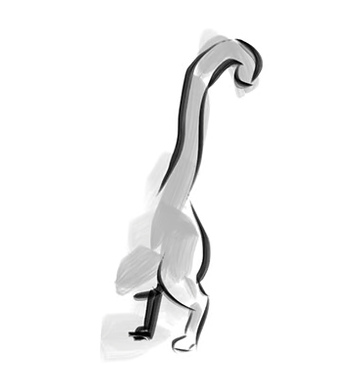
Question mark
If your cat is sporting a straight tail, but with a slight “question mark” curve at the tip, they are feeling happy and playful.
What it means: A question-mark tail means your cat is in a friendly, curious, and playful mood. They’re engaged with their environment and open to interaction — perhaps even inviting it.
Common scenarios: Approaching you for attention, investigating a new toy or object, morning energy bursts, or the pre-pounce moment before play.
Related body language cues: Forward-facing ears, bright alert eyes, whiskers spread forward, and a playful crouch stance. Your cat looks ready for fun.
How should you respond? Break out the DINE® Creamy Treats and encourage their playful mood with an interactive play session. This is a prime window for bonding through play — try a feather wand or a toy that lets them stalk and pounce.
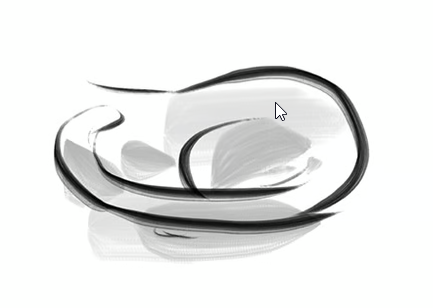
Wrapped around their body
When your cat’s tail is curled around their body covering their feet or face, they are relaxed and seeking solitude — meaning they may not want to interact right now.
What it means: Your cat is content and relaxed, but seeking solitude. They may not want to interact right now — and that’s perfectly fine.
Common scenarios: Napping in a favourite spot, quietly observing from a windowsill, or settling in comfortably after a satisfying meal.
Related body language cues: Half-closed or fully closed eyes, a relaxed resting posture, slow breathing, and a generally serene demeanour.
How should you respond? Respect their need for quiet time. Let them rest undisturbed — they’ll come to you when they’re ready for attention. A cat who wraps their tail around themselves feels safe enough to fully relax, which is a compliment to the home you’ve created.
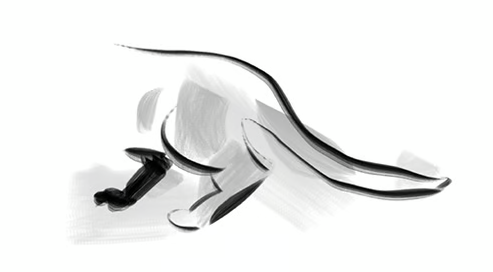
Low to the ground or tucked
This position can indicate that your cat is feeling nervous or even fearful, and you may notice them trying to army crawl across the room. It’s your cat’s way of saying, “I’m trying to stay incognito.
What it means: Your cat is nervous, fearful, or insecure. They’re trying to stay incognito and avoid drawing attention to themselves.
Common scenarios: Visiting a new environment, hearing loud or unfamiliar noises, encountering a stranger or an unfamiliar animal, or during a change in routine.
Related body language cues: Flattened ears, dilated pupils, a crouched or “army crawl” posture, whiskers pulled back, and a tense, low body.
How should you respond? Give your cat space and avoid forcing interaction. Identify and reduce the source of fear where possible. Provide a safe hiding spot — a cosy bed in a quiet corner or access to a familiar retreat — and let them emerge on their own terms. Never corner a fearful cat. For more tips on creating a calming environment, explore our guide to creating a cat-friendly home.
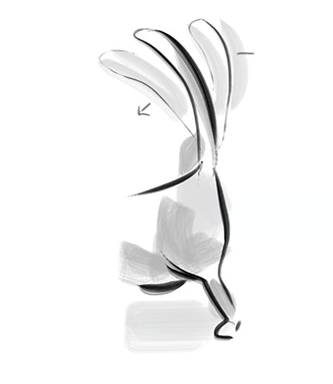
Flicking
This is the equivalent of the human side-eye. If your cat’s tail is flicking back and forth, they aren’t amused with the current goings-on.
What it means: A flicking tail signals irritation, overstimulation, or intense focus. Why do cats flick their tails? It depends on the context — during petting, it’s a warning; during play or prey-watching, it’s concentration.
Common scenarios: During petting that has gone on too long, when your cat is watching prey (birds, toys), or when disturbed from rest. The key is distinguishing between irritation flicking and play-focused swishing.
Related body language cues: Ears rotating sideways or back, twitching skin along the back, a focused stare, and a stiffening body. These cues confirm whether the flicking signals irritation or predatory focus.
How should you respond? If during petting: stop immediately and give your cat space — this is a clear warning that overstimulation is building. If during play: allow the focused behaviour to continue, as this is healthy predatory expression. Always read the accompanying body language to tell the difference.
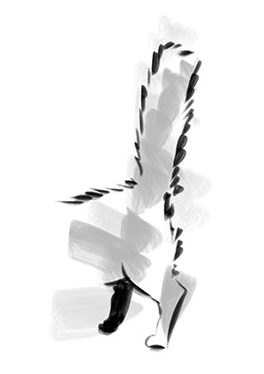
Pipe cleaner
When your cat puffs out their tail, they are most likely feeling scared or threatened. The puffed-out tail is their attempt to look bigger than they are. Sometimes cats will also arch their back.
What it means: A puffed tail — sometimes called a bottle-brush tail — means your cat feels scared, threatened, or startled. A cat puffed tail is their instinctive attempt to look bigger than they are, deterring whatever has alarmed them.
Common scenarios: Sudden loud noises, encountering an unfamiliar animal, being startled from sleep, or entering a new environment for the first time.
Related body language cues: Arched back, raised hackles (fur along the spine also raised), dilated pupils, hissing or growling, and a sideways or arched defensive posture.
How should you respond? Do not approach or attempt to comfort your cat — they are in a state of alarm. Remove the source of the threat if possible, dim the lights, reduce noise, and allow your cat to calm down in their own time. Provide a safe retreat space and let them come out when they feel secure.
Swishing gently
Your cat’s tail moves slowly and gently from side to side in a relaxed, rhythmic motion, held at mid-height rather than rigidly up or tightly down.
What it means: Your cat is focused and contemplative — they’re assessing something in their environment with quiet interest. Not alarmed, not playful, just processing.
Common scenarios: Watching a bird outside the window, considering whether to approach something new, or deciding whether to jump or pounce.
Related body language cues: Alert but relaxed ears, a focused gaze, whiskers pointing forward, and a body in a ready but not tense posture.
How should you respond? Observe but don’t interrupt — your cat is processing information. If they seem to be deciding whether to approach something, let them make the choice. If the slow swish escalates into a fast, aggressive swish, back off.
Vibrating or quivering
Your cat’s tail is held upright and quivering or vibrating rapidly at the tip or along its full length — a subtle but unmistakable movement.
What it means: Extreme excitement and anticipation. This is one of the most enthusiastic signals in cat tail language — your cat is genuinely thrilled.
Common scenarios: Greeting you after you’ve been away, anticipating a meal, or when their favourite person arrives home.
Related body language cues: Purrs, trills or chirps, rubbing against your legs, bright wide eyes, and upright attentive ears. Everything about your cat says “I’m so happy to see you!”
How should you respond? Return the enthusiasm — greet your cat warmly, offer a stroke or a treat. This is one of the highest compliments a cat can give; they’re genuinely thrilled to see you. For more on strengthening your bond through play, explore our guide on how to play with your cat.
Tail Language Reference Guide by Behaviour Type
Use this quick-reference guide to cat tail language as a fast lookup. Each category groups related tail positions with a one-line summary and the recommended owner response.
| Behaviour Type | Tail Positions | Summary |
| Happy & Content | Flagpole, Wrapped around body | Relaxed, confident, at ease |
| Confident | Flagpole, Vibrating/quivering | Self-assured, open to interaction |
| Playful | Question mark, Swishing gently | Engaged, curious, ready for fun |
| Fearful | Low to ground/tucked, Pipe cleaner | Nervous, threatened, seeking safety |
| Defensive | Pipe cleaner, Flicking (rapid) | Alarmed, warning, preparing to react |
| Curious | Question mark, Swishing gently | Investigating, assessing, interested |
| Stressed | Flicking, Low to ground/tucked | Overstimulated, anxious, overwhelmed |
How Ears, Eyes, Whiskers, Posture, and Vocalisations Work with Tail Signals
A tail alone rarely tells the full story. The most skilled cat owners learn to read the whole cat — tail, ears, eyes, whiskers, posture, and voice together form a complete picture of feline body language. Here’s how each element complements tail signals.
Ears: Forward-facing ears signal alertness, interest, and relaxation. Sideways or “airplane” ears suggest ambivalence or mild anxiety. Flattened or pinned-back ears indicate fear, defensiveness, or aggression. Ear position can change the meaning of the same tail position entirely. A flagpole tail with forward ears means confident and happy; a flagpole tail with pinned ears means your cat is on high alert. Always check the ears.
Eyes: Soft, half-closed eyes indicate relaxation, trust, and contentment — the famous “slow blink.” Wide, dilated pupils signal stimulation, which could be playful excitement or fear depending on context. A hard stare is a challenge or threat. Slow blinking is a sign of trust and affection — reciprocate by slow blinking back. It’s one of the most intimate gestures in cat body language.
Whiskers: Forward-spread whiskers mean your cat is curious and engaged. Pulled-back whiskers signal anxiety, fear, or defensiveness. Relaxed whiskers indicate calm and contentment. Whisker position is an excellent confirmation signal for tail reading. If the tail says “playful” and the whiskers are forward, you can be confident. If the tail says “fearful” and the whiskers are pulled back, the message is clear.
Posture: A relaxed, sprawling posture means your cat is fully at ease. A crouched-low posture can indicate fear or hunting mode — context determines which. An arched back signals defensiveness or feeling threatened, especially when paired with a puffed tail. A belly-up exposure is the ultimate sign of trust — your cat feels completely safe.
Vocalisations: Purring usually signals contentment, but can also indicate self-soothing when stressed. Meowing is directed primarily at humans — a learned communication for attention, food, or greeting. Hissing and growling are clear warnings to back off. Chirping or trilling is a friendly greeting or expression of excitement. Yowling indicates distress, discomfort, or — in unspayed or unneutered cats — mating behaviour.
For a deeper dive into what your cat’s sounds mean, explore our guide on what your cat’s sounds are telling you.
Reading a tail in isolation can be misleading. The most skilled cat owners learn to read the whole cat — tail, ears, eyes, whiskers, posture, and voice together form a complete picture. When all the signals align, you can trust your reading. When they conflict, look closer — your cat is communicating something more nuanced.
Tail Signals Grouped by Emotional State
Sometimes you know your cat’s mood but want to confirm it through their tail. This section groups tail signals by emotional state, so you can quickly diagnose what your cat is feeling and respond appropriately.
Contentment
Tail positions: Flagpole, Wrapped around body
A content cat carries their tail with quiet confidence or wraps it snugly around themselves. The overall body is relaxed, eyes are soft, and purring may accompany. Key indicator: stillness and softness — the tail is held without tension.
Excitement
Tail positions: Vibrating/quivering, Question mark
An excited cat’s tail is full of energy — quivering with anticipation or hooking into a playful question mark. Eyes are bright, ears are forward, and the cat may vocalise with chirps or trills. Key indicator: dynamic, energetic movement with an overall relaxed body.
Anxiety
Tail positions: Low to ground/tucked, Flicking (slow)
An anxious cat tries to make themselves small — tail tucked low, body crouched. Slow flicking may indicate growing unease. Ears may rotate sideways; pupils may dilate slightly. Key indicator: tension and withdrawal — the cat is trying to disappear. These are common cat stress signals to watch for.
Fear
Tail positions: Low to ground/tucked, Pipe cleaner
A fearful cat tucks their tail tightly and may puff it out if the fear escalates to alarm. The body is crouched or arched, ears are pinned, and pupils are fully dilated. Hissing may occur. Key indicator: contraction and defensive puffing — the cat is preparing to flee or defend.
Aggression
Tail positions: Flicking (rapid, hard), Pipe cleaner
An aggressive cat’s tail moves in sharp, fast, hard flicks or is puffed in combination with an arched back. The body is tense, ears are pinned, eyes are hard-staring, and growling or hissing may accompany. Key indicator: rigidity and intensity — the cat is warning and may strike.
Curiosity
Tail positions: Question mark, Swishing gently
A curious cat’s tail is gently animated — a playful hook or slow swish as they assess something new. Whiskers are forward, ears are attentive, and the posture is alert but not tense. Key indicator: focused, animated movement with an engaged but relaxed body.
Reading the Whole Cat
Your cat’s tail is a remarkable communication tool, and learning to read it is one of the most rewarding skills you can develop as a cat owner. But remember: no tail signal should be read in isolation. Always consider your cat’s ears, eyes, whiskers, posture, and vocalisations together — they form a complete picture of what your feline is feeling. The more you observe, the better you’ll understand your cat’s unique language.
Explore the DINE® range of premium wet cat food and discover why discerning cats deserve nothing less than extraordinary. For more on choosing the right food for your feline, read our guide to premium cat food and wet vs dry cat food.
Placeholder for the 'Salesforce Datalayer Tag Block' field