
Premium Cat Food: What Makes A High Quality Diet?
Key Takeaways
- Premium cat food is defined by ingredient quality and nutritional completeness — named animal protein sources, a complete nutrient profile, and minimal fillers or artificial additives — not simply by price or packaging.
- Cats are obligate carnivores, meaning high protein cat food with named meat or fish as the first ingredient is essential for delivering the nutrients they cannot obtain from plant sources.
- Understanding how to read a cat food label — recognising named protein sources, checking for completeness, and avoiding vague terms like “meat derivatives” — empowers you to choose genuinely healthy cat food.
- Choosing natural food for cats that matches your feline’s life stage, and transitioning gradually over seven to ten days, ensures your cat receives optimal nutrition at every age without digestive upset.
There is a difference between feeding your cat and truly nourishing them. The distinction lies in premium cat food — diets defined by high-quality, named animal protein sources, complete and balanced nutrition, and minimal use of fillers or artificial additives, rather than simply a higher price tag or prettier packaging. But here’s the truth that every discerning cat owner eventually discovers: not all cat food labelled “premium” is created equal. The word itself isn’t regulated, which means understanding a few key indicators is what truly helps you choose a diet that genuinely supports your cat’s health — their coat, their energy, their longevity, their vitality.
This guide covers everything you need to know about cat nutrition and what to feed my cat: what “premium” actually means, why animal protein matters most, the key nutrients a complete diet needs, how to read a label, what “natural” cat food really means, choosing food by life stage, and how to switch your cat to a new diet without the drama.
Because your cat deserves more than just a meal. They deserve a dining experience that nourishes every part of them.
What Does “Premium” Actually Mean in Cat Food?
The word “premium” gets used a great deal in the cat food world — and not always accurately. Premium cat food is generally defined by ingredient quality and nutritional completeness rather than any regulated legal standard, so it’s worth understanding what to look for rather than trusting the word “premium” on its own.
In practical terms, genuinely healthy cat food tends to share a few hallmarks: named animal protein as the primary ingredient, a complete and balanced nutrient profile that meets established feline nutritional standards, minimal filler content, and no unnecessary artificial colours or flavours. It’s food crafted with intention — designed not just to satisfy hunger, but to actively support your cat’s long-term health.
The difference is often visible in your cat themselves: a shinier coat, brighter eyes, better energy, and fewer digestive issues. That’s what premium should mean — not a label, but a measurable difference in your cat’s wellbeing. Learn more about the DINE® brands’ commitment to quality here.
Why Animal Protein Should Come First
Cats are obligate carnivores. This isn’t a preference — it’s a biological fact. Their bodies are designed to derive essential nutrients from animal-based protein sources that they simply cannot obtain from plant-based ingredients. Taurine, for instance, is an amino acid found only in animal tissue, and without it, cats can develop serious heart and eye problems. This is why high protein cat food should list a named meat or fish source as the very first ingredient. When you see “chicken” at the top of the list, you know that the food’s protein foundation is real, recognisable, and biologically appropriate for your feline. When you see vague terms like “meat derivatives” or “animal by-products,” you know considerably less.
A premium cat food doesn’t just include protein — it leads with it. The quality, source, and position of that protein on the ingredient list tells you more about the food’s true value than any front-of-pack claim ever could. Visit our helpful guide for more on how your cat’s digestive system processes protein.
Key Nutrients Every Complete Cat Diet Needs
Protein alone, no matter how high-quality, isn’t the whole story. A complete and balanced cat food needs to deliver a full spectrum of essential nutrients — taurine, essential fatty acids for skin and coat health, adequate moisture, and a comprehensive profile of vitamins and minerals. Cat nutrition is about the whole picture, not just one impressive ingredient.
Essential Fatty Acids
Omega-3 and Omega-6 fatty acids play a vital role in maintaining healthy skin and a lustrous coat. They also support immune function and help manage inflammation. Premium cat food often includes named fat sources such as fish oil or chicken fat, which deliver these essential fatty acids naturally.
Vitamins and Minerals
A complete nutrient profile must include vitamins A, B complex, D, E, and K, alongside essential minerals like calcium, phosphorus, magnesium, and zinc. These support everything from vision and bone strength to energy metabolism and immune health. This is why “complete and balanced” on the label matters so much — it means the food has been formulated to meet all of your cat’s nutritional needs, not just some of them.
Moisture and Hydration
Cats are notoriously indifferent drinkers. In nature, they obtain much of their hydration from prey. Wet cat food with high moisture content helps bridge this gap, supporting kidney function and urinary tract health — areas where cats are particularly vulnerable. This is one reason many veterinarians recommend incorporating wet food into your cat’s diet.
Complete and Balanced Nutrition
“Complete and balanced” isn’t just marketing language — it’s a nutritional standard. It means the food provides all the nutrients your cat needs, in the correct proportions, without the need for supplementation. When you see this claim backed by established nutritional standards, you can be confident the food supports your cat’s lifelong health.
Reading the Label: What to Look For (and Avoid)
Knowing what to feed my cat starts with knowing how to read a cat food label. The ingredient list is your most powerful tool — ingredients are listed in descending order by weight, so what appears first matters most. A premium cat food will feature a named protein source near the top, minimal grain or filler content, and no artificial colours or flavours.
Understanding the Ingredient List
Ingredients are listed by weight before processing, which means the first few ingredients tell you the bulk of what’s in the food. If a named protein like chicken or tuna appears first, that’s a strong positive indicator. If grains or fillers dominate the top positions, the food may be less biologically appropriate for an obligate carnivore.
Identifying Named Protein Sources
Recognisable protein ingredients — “chicken,” “tuna,” “salmon,” “beef” — are a positive indicator of quality. They tell you exactly what your cat is eating. Vague terms like “meat derivatives” or “animal by-products” don’t specify which animal or which cut, making it impossible to assess quality. When it comes to healthy cat food, transparency matters.
Understanding Additives and Preservatives
Not all additives are harmful — some, like natural preservatives (tocopherols, vitamin E), are perfectly acceptable. However, unnecessary artificial colours serve no nutritional purpose (cats can’t even see colour the way humans do), and artificial flavours may mask lower-quality ingredients. Premium cat food tends to rely on the quality of its ingredients rather than artificial enhancement.
Looking Beyond Marketing Claims
Front-of-pack claims — “gourmet,” “luxury,” “premium” — are designed to appeal to you, not to describe the food’s nutritional value. Turn the pack around. Read the ingredient list. Check for “complete and balanced.” The back of the pack tells you far more about what you’re actually feeding your cat than the front ever will.
Natural Cat Food: What It Really Means
The term “natural” on cat food packaging generally refers to recipes built around whole, recognisable ingredients with minimal processing and no artificial additives. It sounds reassuring — and it can be — but because the term isn’t strictly regulated, the ingredient list still matters more than the label claim. Natural food for cats should look natural when you read the ingredients: names you recognise, protein sources you can identify, and no unnecessary artificial additions.
DINE® Farm Collection is a wonderful example — real, recognisable ingredients, crafted into a complete and balanced meal.
Choosing the Right Food for Your Cat’s Life Stage
Kittens, adults, and senior cats have different nutritional priorities. From supporting rapid growth in kittens to maintaining lean muscle and joint health in senior cats, life stage should guide food choice as much as ingredient quality. A premium cat food that’s perfect for a kitten may not be ideal for a twelve-year-old, and vice versa.
Feeding Kittens
Growing kittens have unique nutritional requirements that support healthy development — higher protein for growth, DHA for brain and vision development, and calcium and phosphorus for bone formation. Kitten-specific food is formulated to deliver these in the right proportions. For detailed guidance, see our kitten feeding guide.
Feeding Adult Cats
Adult diets focus on maintaining healthy body condition, supporting coat lustre, and promoting overall wellbeing. Portion control becomes important as activity levels may stabilise, and a complete wet food helps maintain hydration. The goal is balance — enough nutrition to thrive, without excess that leads to weight gain.
Feeding Senior Cats
As cats age, nutritional priorities shift. Senior cats benefit from food that supports joint health, kidney function, and lean muscle maintenance. Moisture-rich wet food becomes even more important given the breed’s predisposition to kidney health issues. For more on supporting your ageing cat, visit our helpful guide.
Indoor vs Outdoor Cats
Lifestyle and activity level may influence nutritional needs. Indoor cats typically have lower energy requirements and may benefit from portion-controlled feeding and enrichment to prevent boredom-related overeating. Outdoor or highly active cats may need slightly more calories to maintain body condition.
Adjusting Food as Your Cat Ages
Reviewing your cat’s nutrition regularly — at least at each life stage transition — helps support changing health needs. What suited your cat at three may not be ideal at ten. Annual vet check-ups are the perfect opportunity to discuss whether your cat’s diet still meets their needs.
What About Treats?
Treats should complement, not replace, a complete and balanced main diet. The same quality principles apply — look for named protein sources and keep treats to a sensible portion of daily intake (generally no more than 10% of total calories). The best cat treats are those that deliver a moment of bonding and connection between you and your cat, with ingredients you can feel good about.
DINE® Creamy Treats are a delectable example.
How to Switch Your Cat to a Premium Diet
Transitioning a cat to a new food should happen gradually over seven to ten days, mixing increasing amounts of the new food with the old. This avoids digestive upset and gives even the most discerning feline eater time to adjust to new flavours and textures. Cats are creatures of habit — patience is your greatest ally.
Start by mixing 25% of the new food with their current food for 2 days, then gradually increase this by 25% each day. By day 7-10, they’ll be eating 100% of their new food.
If your cat experiences any digestive upset during the transition, slow down. Extend each stage by a day or two, and if concerns persist, consult your vet.
Discover the World of DINE® Cat Food — Made for Cats Who Deserve the Best
Every cat deserves a meal that's as extraordinary as they are. At DINE®, we believe premium nutrition should be a sensory experience — not just a feeding routine. That's why our recipes begin with real, named protein and end with a satisfied purr. From tender shredded fillets to sumptuous gravies and melting soups, every DINE® cat food creation is crafted to nourish your cat's body and delight their senses.
Ready to elevate your cat's dining experience? Explore the full DINE® range and find the perfect recipe for your feline companion.
Frequently Asked Questions
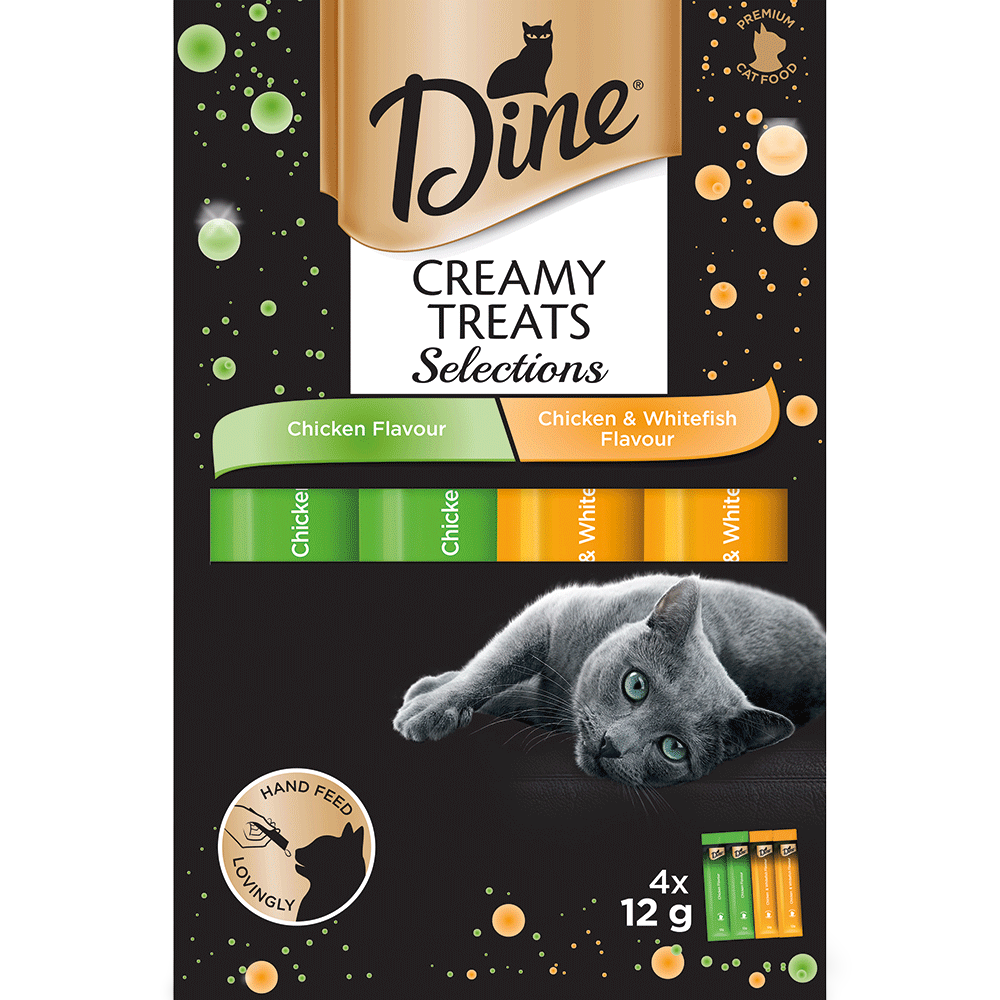
DINE® Creamy Treats Chicken Selections 4x12g
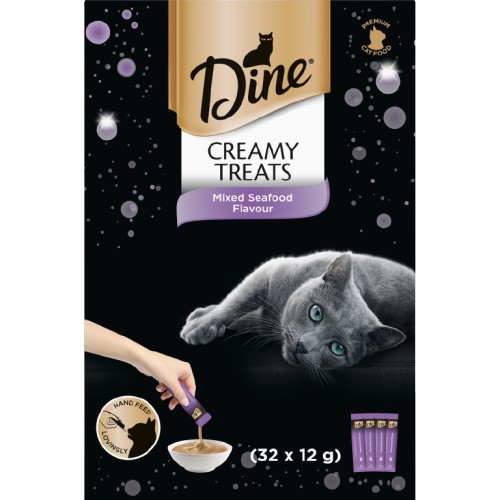
DINE® Creamy Treats Mixed Seafood Flavour 32x12g
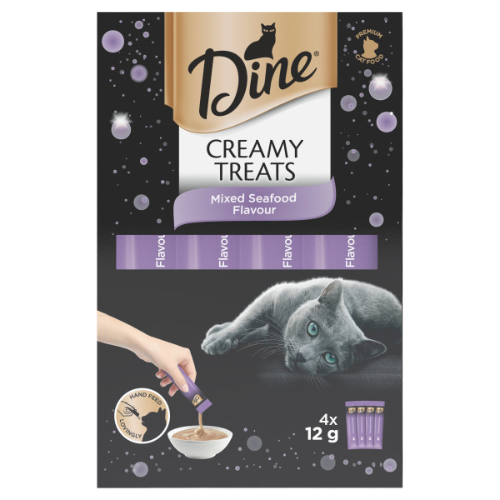
DINE® Creamy Treats Mixed Seafood Flavour 4x12g
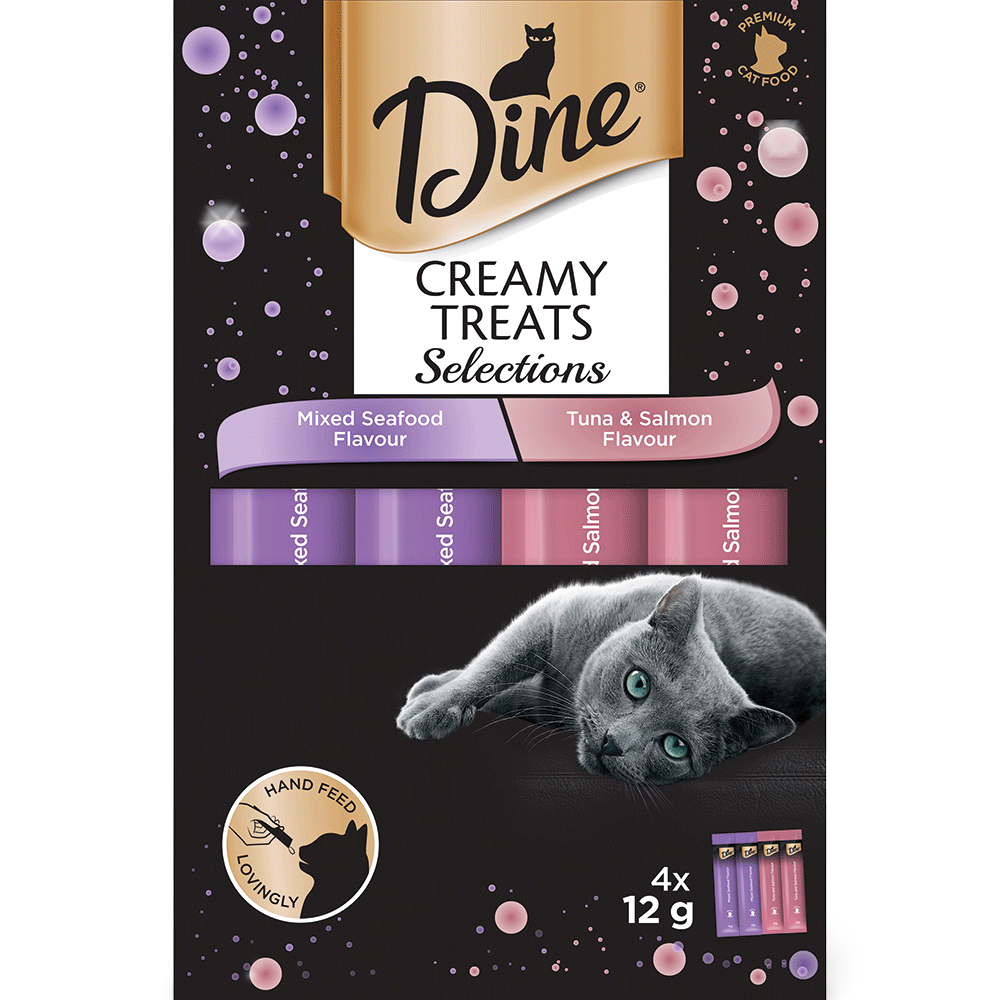
DINE® Creamy Treats Seafood Selections 4x12g
Related Products
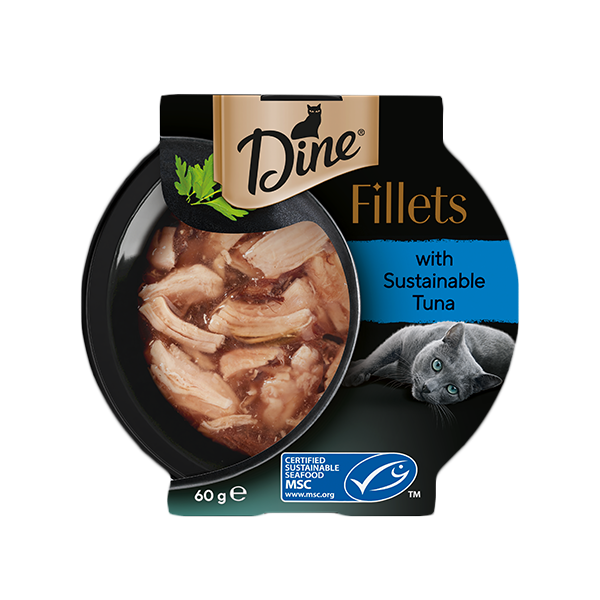
DINE® Fillets with Sustainable Tuna
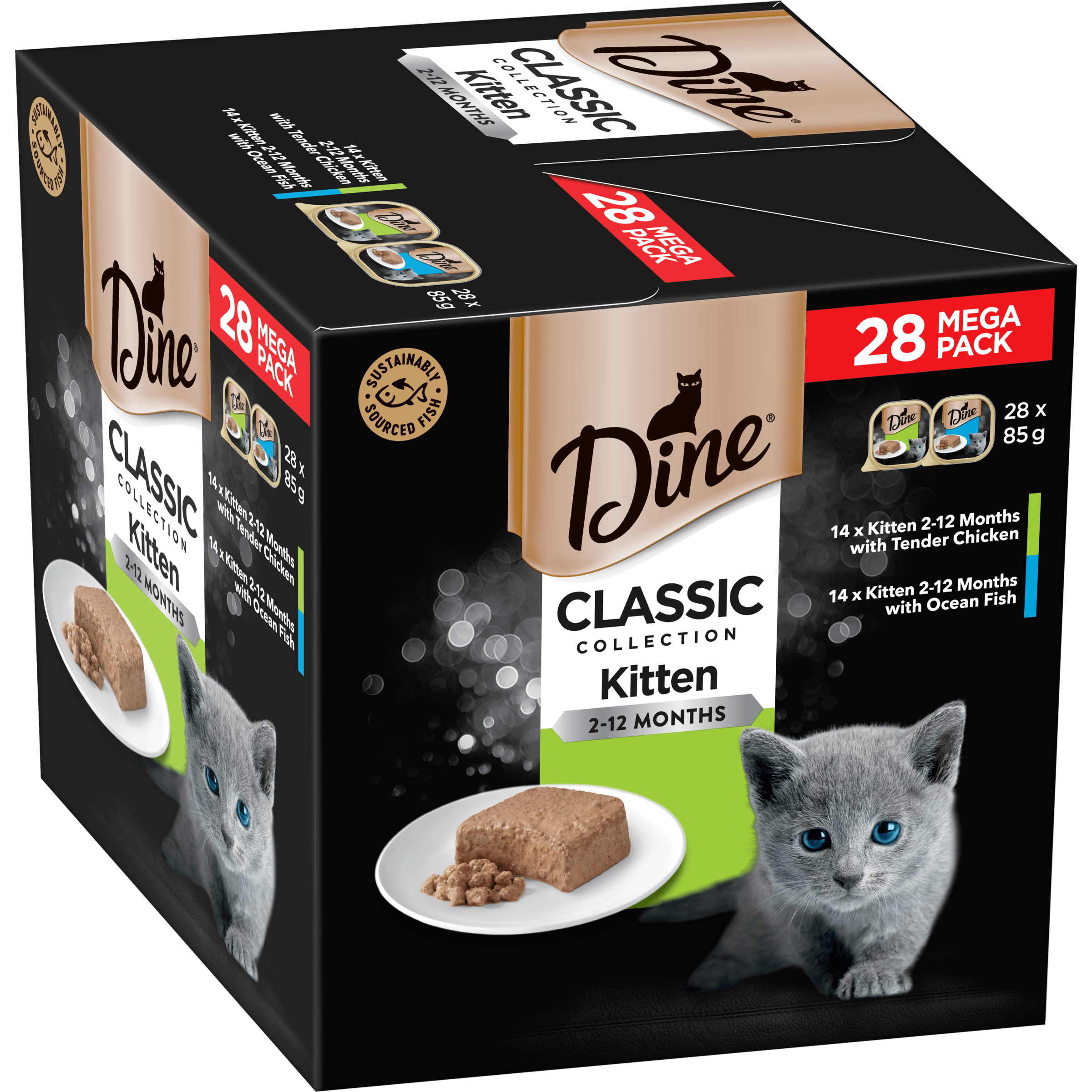
DINE® Kitten with Tender Chicken Plus Oceanfish 2-12 Months
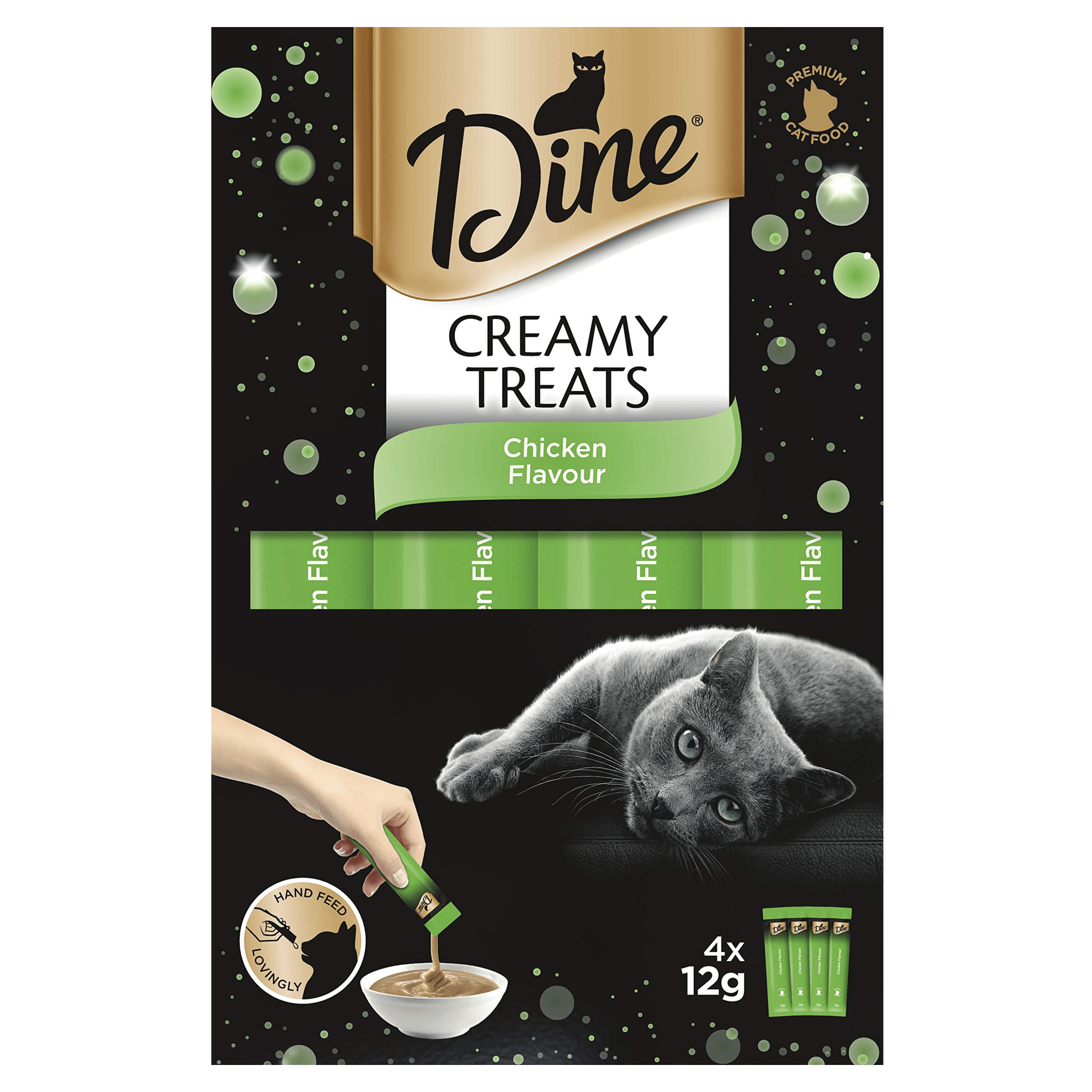
DINE® Creamy Treats Chicken Flavour 4x12g
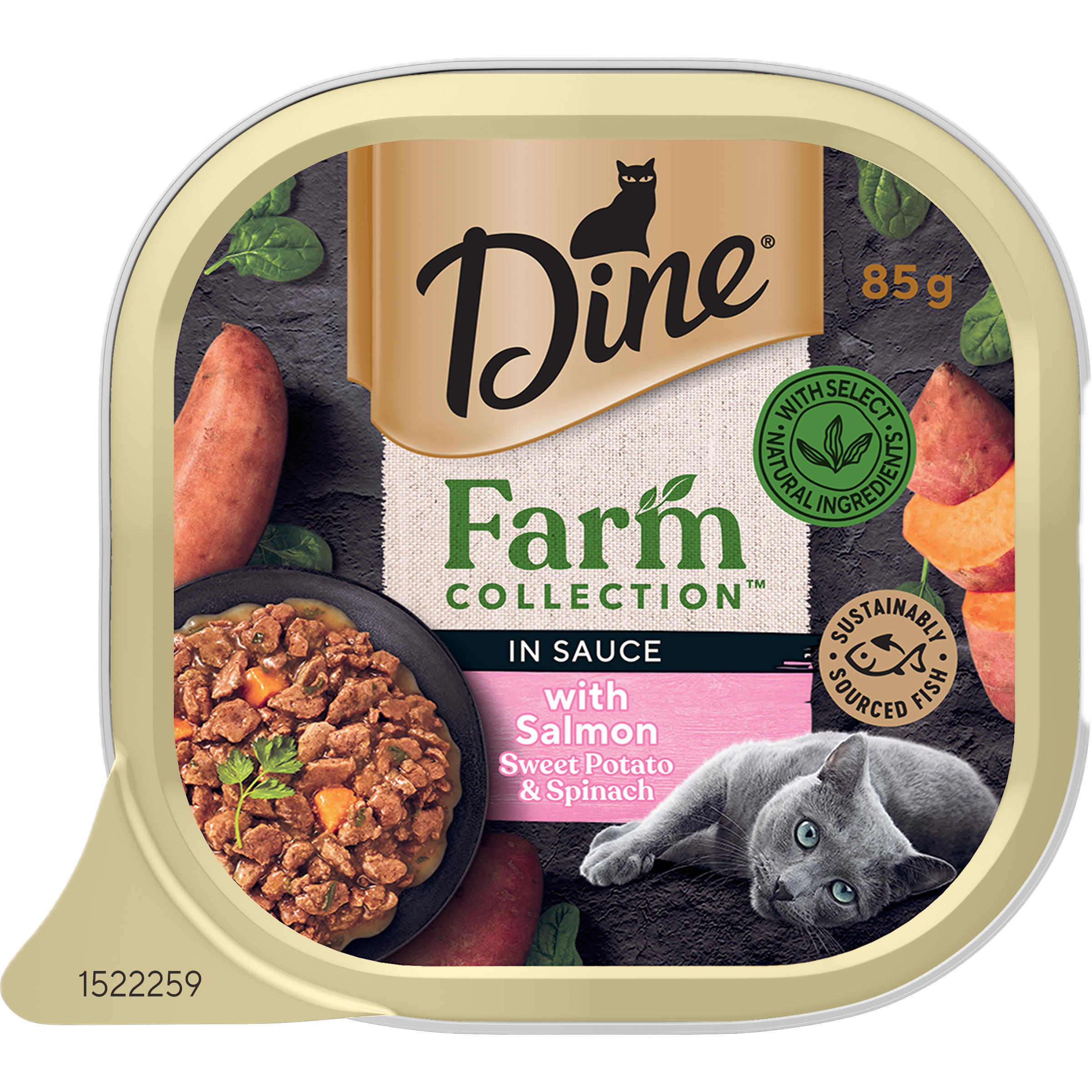
DINE® Farm Collection In Sauce With Salmon Sweet Potato And Spinach 85g
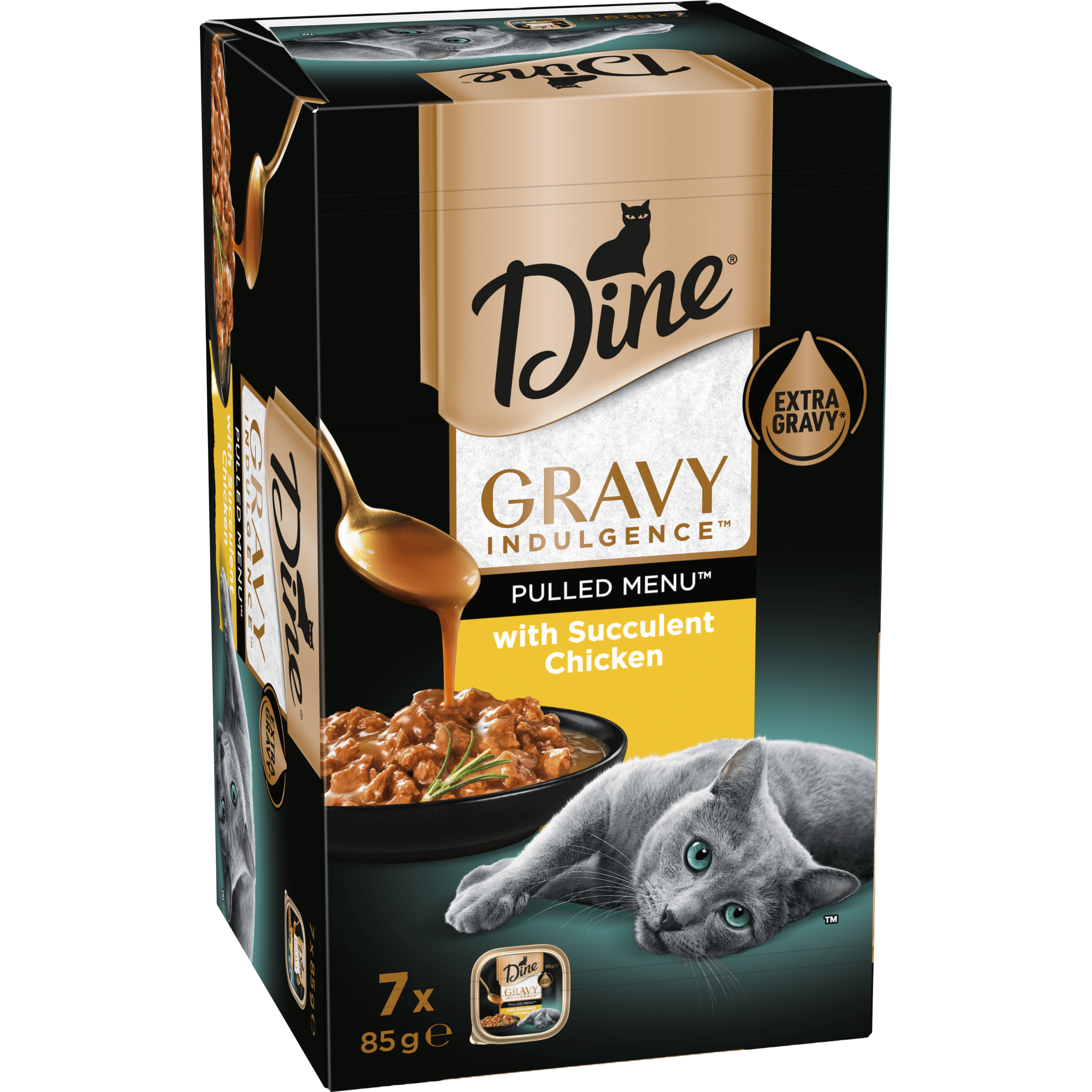
DINE® Gravy Indulgence™ Pulled Menu™ with Chicken 7pk