

Oriental Shorthair Cat Guide: Personality, Care and Feeding
Image by Manuel Keller on Unsplash
Key Takeaways
1. The Oriental Shorthair is one of the most vocal, intelligent and socially engaged cat breeds in existence — a captivating companion best suited to owners who want a truly interactive, “always-in-the-room-with-you” feline.
2. Their lean, athletic build means they thrive on a complete, protein-rich diet calibrated to their life stage and naturally high energy levels.
3. Despite their striking appearance, the Oriental Shorthair’s short, fine coat is remarkably low maintenance — a weekly brush is all it takes to keep it looking glossy and sleek.
4. This breed’s deep social needs mean regular interactive play and mental enrichment are not optional extras — they are essential to a content, well-adjusted cat.
The Oriental Shorthair is one of the most captivating and distinctive breeds in the feline world. Sleek, athletic and possessed of an almost theatrical personality, the Oriental Shorthair is a cat who simply refuses to go unnoticed. From their striking wedge-shaped head and oversized ears to a coat that comes in a dazzling array of colours and patterns, these cats are as visually arresting as they are socially magnetic.
Rooted in a rich history connected to the Siamese line, the Oriental Shorthair has evolved into a breed entirely its own — defined by remarkable intelligence, extraordinary vocal ability and an unwavering devotion to their humans. Whether you’re an experienced cat owner or considering your first feline companion, this guide covers everything you need to know: oriental shorthair characteristics, personality, feeding across every life stage, grooming, health and enrichment.
Oriental Shorthair Personality and Temperament
If you were hoping for a quiet, self-sufficient cat who sleeps in a sunny corner and occasionally deigns to acknowledge your presence, the oriental shorthair personality is going to pleasantly — and thoroughly — disrupt your expectations.
Widely described as “dog-like” in their devotion, oriental shorthair temperament is defined by an intense, almost passionate bond with their humans. These cats do not merely tolerate your presence — they demand it. Conversations are had, opinions are shared (vocally and at considerable length), and household activities are supervised with great enthusiasm and zero apology.
Common Oriental Shorthair Personality Traits
The Oriental Shorthair is intelligent, curious, affectionate and endlessly interactive. They are natural problem-solvers who relish a puzzle toy, social creatures who flourish with company, and born entertainers who bring a certain theatrical flair to even the most mundane moments of domestic life. Their emotional depth is genuinely remarkable — they feel things keenly and wear their hearts on their very elegant sleeves.
Why Are Oriental Shorthairs So Vocal?
Vocalisation is not a quirk of the breed — it is a love language. Oriental Shorthairs use their voice to communicate everything from hunger and excitement to a simple desire to be included in the conversation. This vocal nature is deeply connected to their Siamese heritage and is entirely normal, entirely deliberate, and — for the right owner — entirely charming. Understanding what your cat’s sounds mean will help you build an even richer bond with this communicative, expressive breed.
Do Oriental Shorthairs Like Attention?
Absolutely — and with great enthusiasm. These cats are people-oriented to their very core. They want to be wherever you are: on your keyboard while you work, curled beside you while you read, and underfoot while you cook. Their desire to be woven into every facet of household life is one of their most endearing traits.
Can Oriental Shorthairs Be Left Alone?
Their strong social needs mean that prolonged periods of solitude can lead to boredom, stress and the kind of vocal protest that will greet you enthusiastically at the door. If your lifestyle involves extended hours away from home, a second cat — ideally another Oriental or a similarly sociable breed — is well worth considering to keep your feline companion stimulated and content.
Are Oriental Shorthairs Intelligent?
Exceptionally. Their intelligence is one of the breed’s most compelling qualities and contributes directly to their trainability, curiosity and remarkable capacity for problem-solving. Many Oriental Shorthairs learn to fetch toys, respond reliably to their names and demonstrate a level of cognitive engagement that consistently delights their owners.
Is an Oriental Shorthair Right for Your Home?
The oriental shorthair temperament is extraordinary — but it is not ideally suited to every household. These cats crave attention, are playful, energetic and genuinely engaged with the world around them. They bond closely with their families, including children and cat-friendly pets, and communicate their needs with a frequency and volume that their devoted owners find utterly captivating.
If you want a cat who greets you at the door, who trills a warm hello every time you enter a room and who makes you feel genuinely, unconditionally adored — the Oriental Shorthair may well be your perfect companion. This breed suits owners who want an engaged, emotionally present cat rather than an independent, low-key one. Learning to read your cat’s body language is a wonderful way to deepen your connection with this wonderfully expressive breed.
Oriental Shorthair Physical Characteristics
The Oriental Shorthair’s appearance is nothing short of sculptural. Their long, lean, athletic body is carried with an elegant poise that belies their playful, high-energy nature. A wedge-shaped head, prominent cheekbones, large ears that fan outward with commanding presence, and almond-shaped eyes in vivid green (or brilliant blue in white cats) complete a look that is simultaneously regal and mischievous.
Among the most celebrated oriental shorthair characteristics is the breed’s extraordinary coat diversity — over 300 colour and pattern variations are recognised, making them one of the most visually varied breeds in existence. From solid ebony and pure white to tabby, tortoiseshell and bicolour, every Oriental Shorthair is genuinely, gloriously unique.
Oriental Shorthair Size and Weight
Adult Oriental Shorthairs are a medium-sized breed, typically weighing between 3.5 and 5.5 kilograms. Their long, lean body type can make them appear lighter than they are — a body condition assessment is always more reliable than the scales alone.
Coat Colours and Patterns
While closely related to the Siamese, the Oriental Shorthair is distinguished by its virtually limitless colour palette. Where Siamese cats carry the characteristic pointed pattern, Orientals come in every colour and pattern imaginable — a dazzling distinction that has made them beloved by cat enthusiasts the world over.
Distinctive Physical Features
Beyond their remarkable coat variety, the Oriental Shorthair’s defining features include their oversized, expressive ears, their fine-boned but surprisingly muscular frame and their long, tapering tail. Their short, close-lying coat has a natural sheen that catches the light — a small but deeply satisfying luxury.
When Do Oriental Shorthairs Reach Full Size?
Most Oriental Shorthairs reach their full physical size by around 12 months of age, though muscle tone and body condition continue to develop well into their second year.
Feeding an Oriental Shorthair
The Oriental Shorthair is an active, athletic cat with an energy level perfectly matched to their personality. Their naturally lean build means they need a complete, balanced diet that is rich in high-quality animal protein, appropriate for their life stage and carefully portioned to maintain — not exceed — their elegant physique.
Nutritional Needs of Oriental Shorthairs
Complete nutrition is the foundation of a long and vital life. Oriental Shorthairs benefit from high-quality animal protein to support lean muscle maintenance and sustained energy, alongside essential fatty acids, vitamins and minerals that nourish coat health, immune function and organ health over time.
Choosing the Right Cat Food
Life stage, activity level and body condition should guide every food decision. Wet food — such as DINE® Fillets or DINE® Gravy Indulgence™ — contributes to daily hydration as well as nutrition, which is particularly beneficial for a lean, active breed. Discover more about the benefits of wet food for cats and how it can complement your Oriental’s feeding routine beautifully.
Monitoring Healthy Weight
Given their naturally lean build, Oriental Shorthairs can appear underweight even when they are perfectly healthy. A body condition approach is most reliable: you should be able to feel — but not prominently see — their ribs. If you have any concerns about your cat’s weight, your veterinarian is always the best resource.
Wet Food vs Dry Food
Both wet and dry food can play a role in a balanced feeding routine. Wet food supports hydration and palatability — something a discerning Oriental Shorthair will deeply appreciate — while dry food can offer convenience and dental benefits. For cats with a refined palate, the rich, aromatic experience of DINE® cat food is often exactly what the feline diner demands.
Oriental Shorthair Kitten Feeding
Oriental Shorthair kittens are extraordinary bundles of energy — curious, fast-moving and growing at a rate that demands consistent, quality nutrition. A complete kitten food, served in small, frequent meals three to four times daily, provides the energy and nutrients their rapidly developing bodies require. Kitten-specific formulations support bone development, immune function and healthy weight gain in ways that adult food simply cannot replicate.
Explore the DINE® kitten range to discover a food that will delight even the most enthusiastic young diner.
Oriental Shorthair Adult Feeding
Once your Oriental Shorthair reaches adulthood — typically from around 12 months — transitioning to a complete adult formulation ensures their nutritional needs are met with precision. Adult Oriental Shorthairs generally thrive on two meals per day, with portions matched to their lean, athletic body condition rather than a generic serving size. At DINE®, we offer a range of premium wet food options — including DINE® Fresh & Fine with Chicken & Turkey in Jelly — that deliver the flavour, texture and quality this breed deserves at every sitting.
Oriental Shorthair Senior Feeding
As your Oriental Shorthair moves into their senior years — generally from seven to eight years of age — their metabolism naturally slows, their activity level decreases and their nutritional needs shift accordingly. Formulations that support joint comfort, organ health and healthy weight maintenance become increasingly valuable. Their historically lean build means even modest overfeeding can affect their frame, so portion awareness remains important throughout their senior life. Caring for an older cat is a journey that deserves the same quality and attentiveness as every earlier life stage.
Oriental Shorthair Grooming and Coat Care
One of the quieter pleasures of life with an Oriental Shorthair is the elegant simplicity of their grooming routine. Their short, fine coat requires minimal intervention — a weekly brush to remove loose hair and distribute natural oils is all it takes to keep it looking its glossy, sleek best. Unlike long-haired breeds, there is no risk of matting or tangles, just a brief, bonding ritual that most Orientals — tactile and people-loving as they are — will thoroughly savour.
Beyond coat care, routine ear checks, nail trims and dental hygiene round out a straightforward maintenance routine that keeps your cat comfortable, healthy and looking effortlessly extraordinary.
Oriental Shorthair Health Considerations
Oriental Shorthairs are generally robust, long-lived cats — but like all pedigree breeds, they carry some inherited health predispositions worth understanding. Their close relationship with the Siamese line means they may be susceptible to certain cardiac conditions, including hypertrophic cardiomyopathy (HCM), as well as respiratory sensitivities and dental issues.
The right approach here is awareness, not alarm. Regular veterinary check-ups — at least annually, and more frequently for senior cats — allow any concerns to be identified early and managed effectively. Dental care deserves particular attention with this breed; routine dental hygiene practices and regular professional checks can make a meaningful difference over the course of a lifetime. Your veterinarian is always your most valuable partner in your Oriental Shorthair’s long-term health and wellbeing.
Everyday Care and Enrichment for an Oriental Shorthair
An Oriental Shorthair who is bored is an Oriental Shorthair who will communicate that boredom with tremendous creativity, volume and persistence. Their intelligence and sociability make mental stimulation and interactive play a genuine necessity — not a bonus.
Puzzle feeders, wand toys, feather teasers and regular interactive play sessions — ideally twice daily — keep their quick minds engaged and their naturally athletic bodies in peak condition. Many Orientals respond enthusiastically to training; teaching them simple tricks through positive reinforcement is both stimulating and deeply rewarding for cat and owner alike. Explore new games to play with your cat for ideas perfectly suited to a high-energy, people-focused breed. Pair any play session with a small, delectable reward — such as DINE® Creamy Treats — and you will have a cat who is wholly, devotedly and contentedly yours.
Discover the DINE® Cat Food Difference
Your Oriental Shorthair is one of a kind — and their food should be too. Explore the DINE® range and discover premium wet food crafted for cats who accept nothing less than extraordinary. Every recipe is designed to delight even the most discerning feline diner - because your cat deserves the best, at every single meal.
Frequently Asked Questions
They share the same ancestry and elegant build but are distinct breeds. Siamese have pointed coat patterns, while Oriental Shorthairs come in over 300 colour and pattern variations. Both are vocal and people-focused, but their coats set them apart.
Yes, their deep social bonds mean they can experience distress when left alone for long periods. Signs include excessive vocalisation and appetite changes. Enrichment toys, a consistent routine and a feline companion can help manage this tendency.
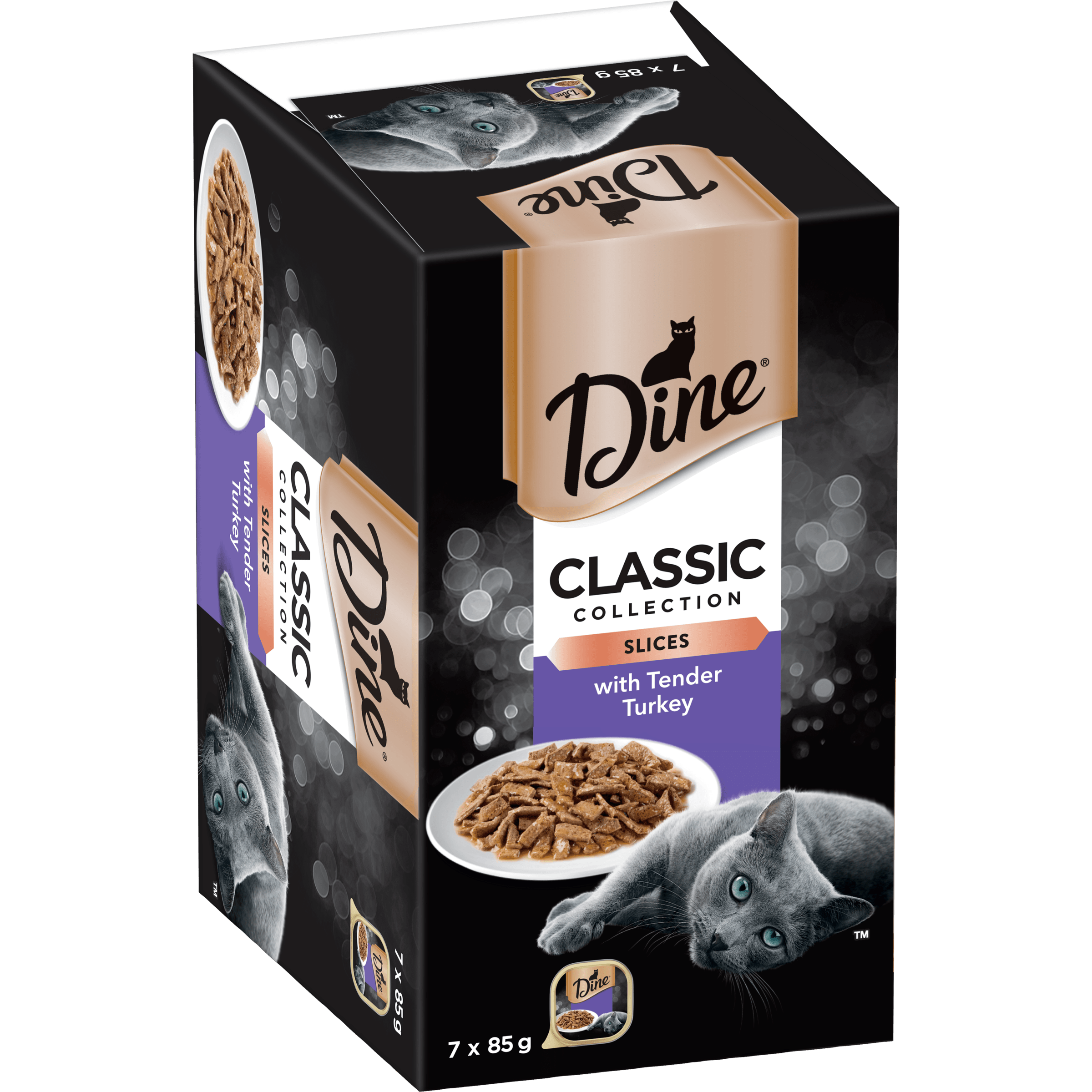
DINE® Classic Collection with Turkey Slices 7pk
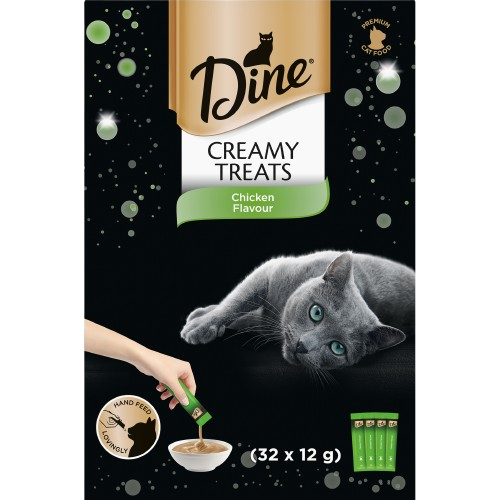
DINE® Creamy Treats Chicken Flavour 32x12g
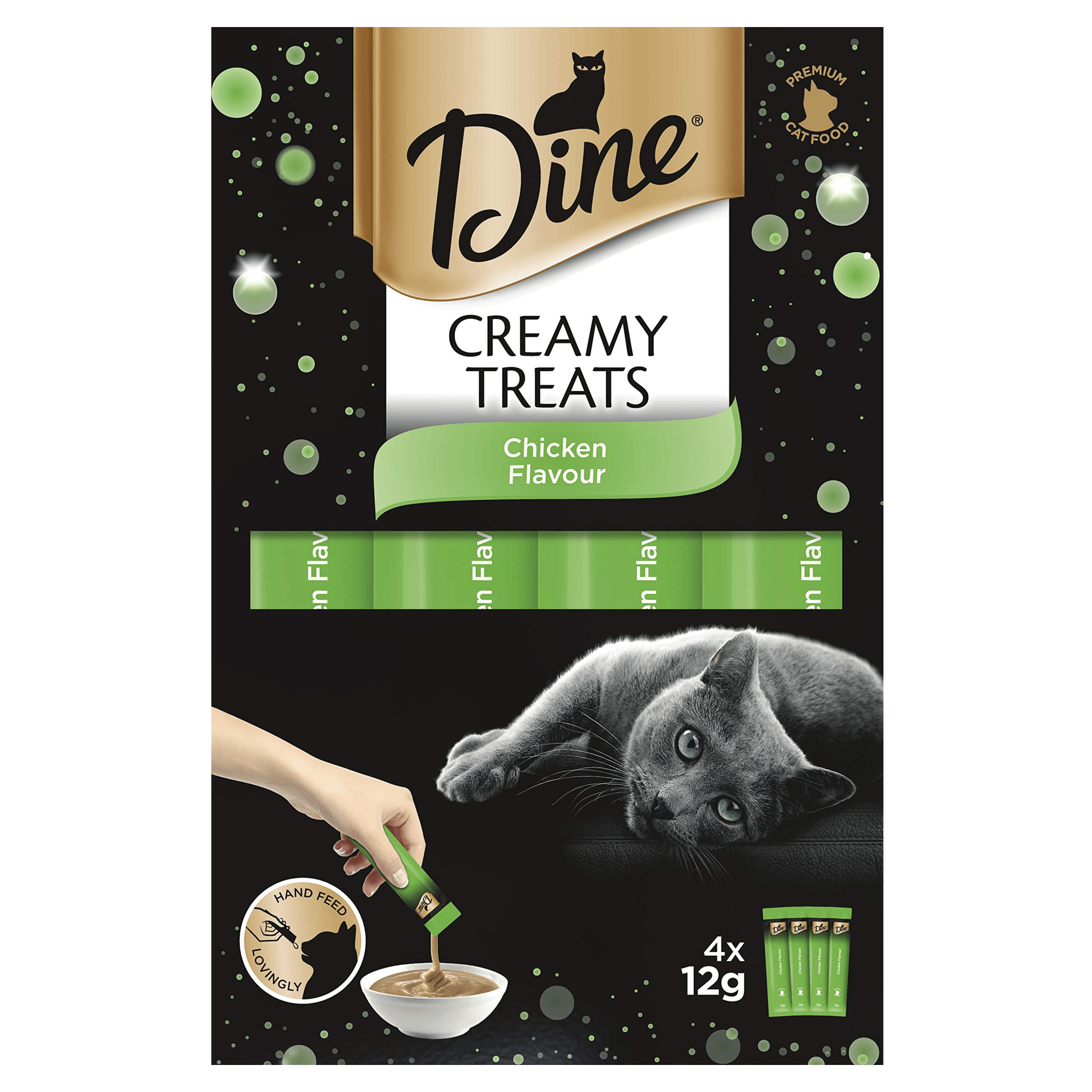
DINE® Creamy Treats Chicken Flavour 4x12g
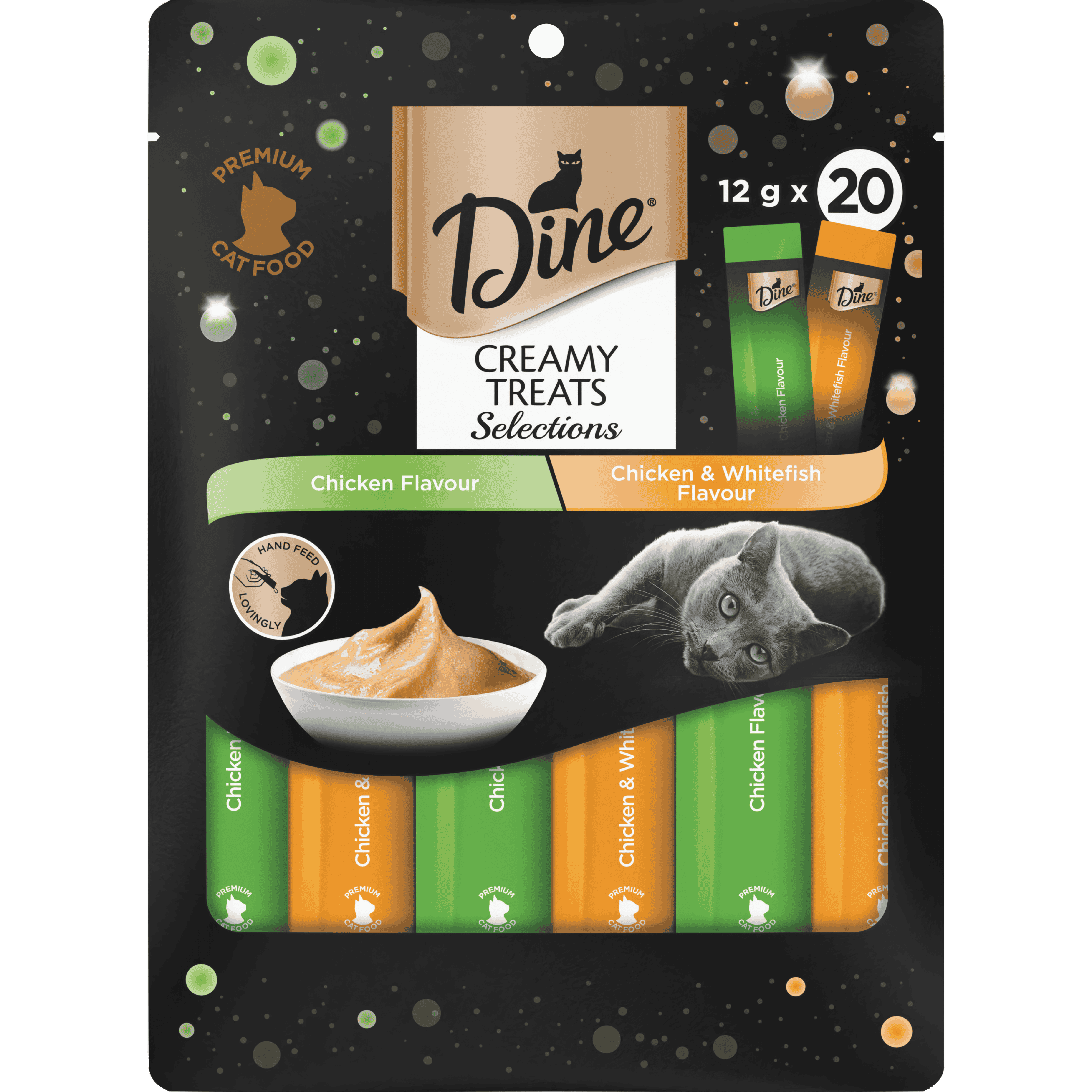
DINE® Creamy Treats Chicken Selections 20x12g
Related Products
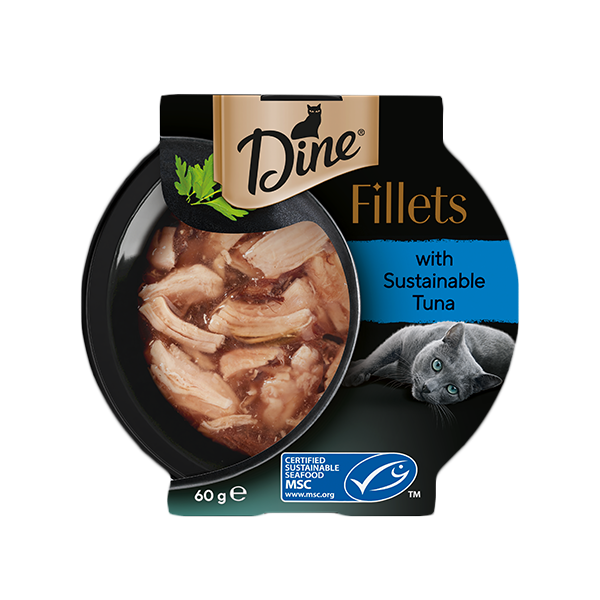
DINE® Fillets with Sustainable Tuna
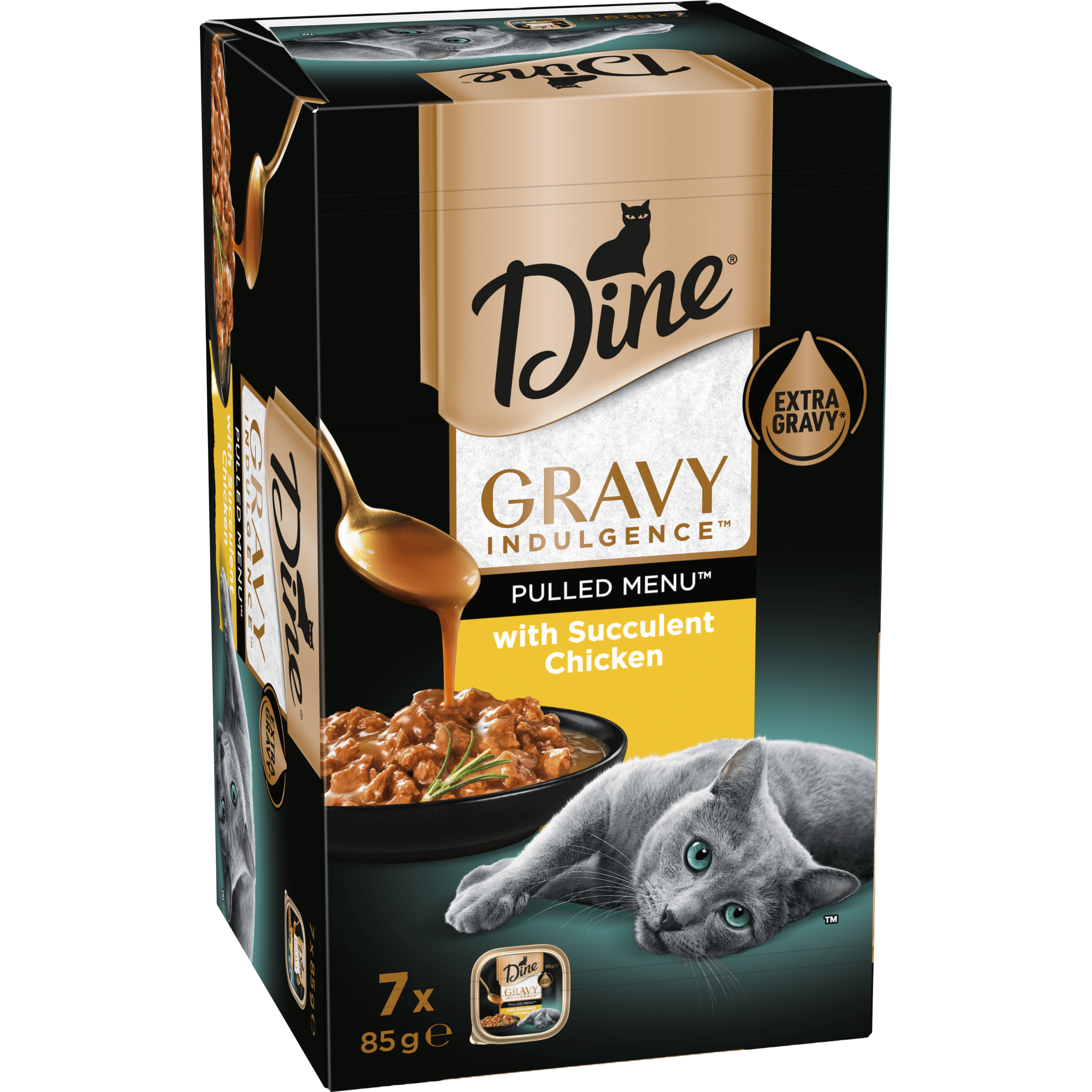
DINE® Gravy Indulgence™ Pulled Menu™ with Chicken 7pk
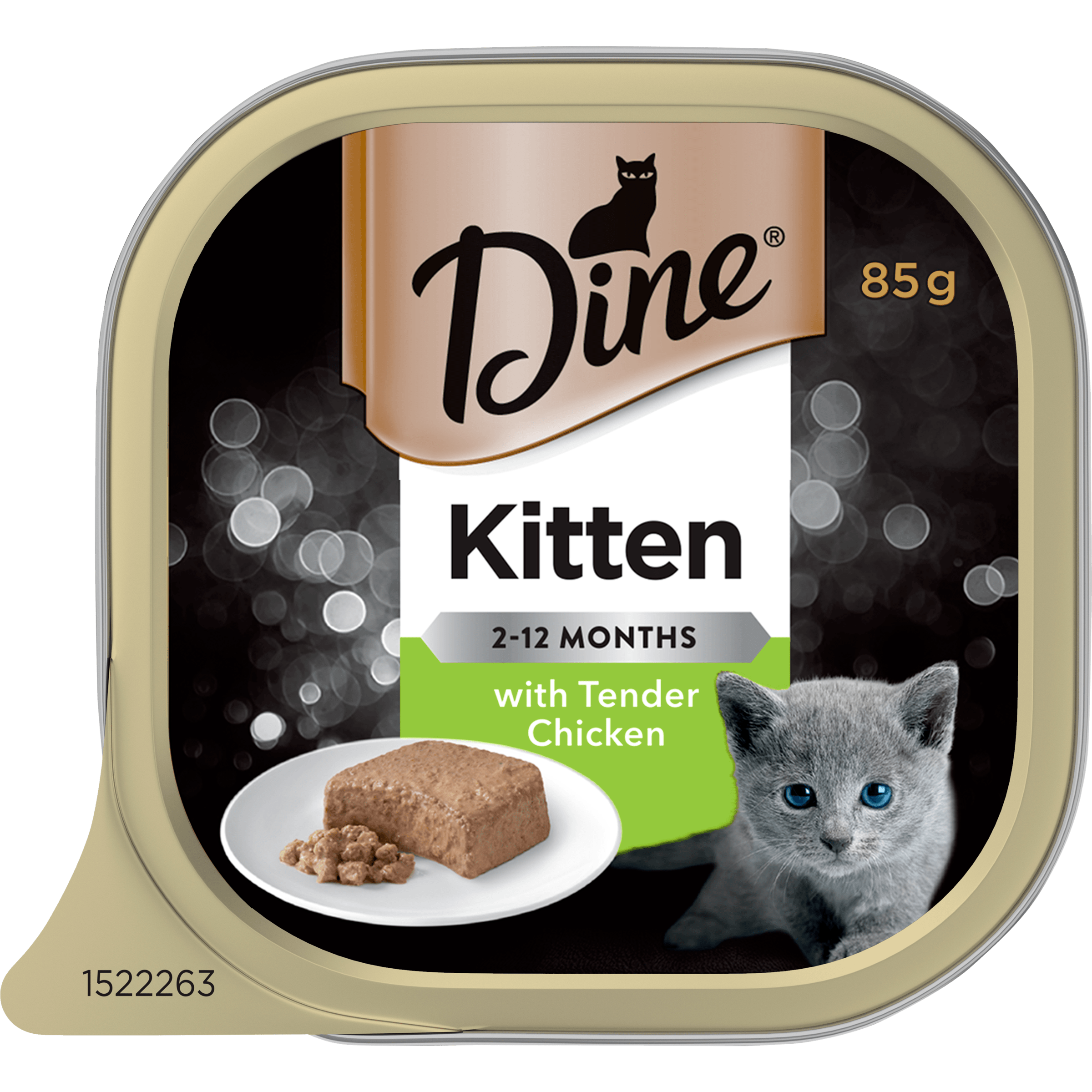
DINE® Kitten with Tender Chicken 2-12 Months
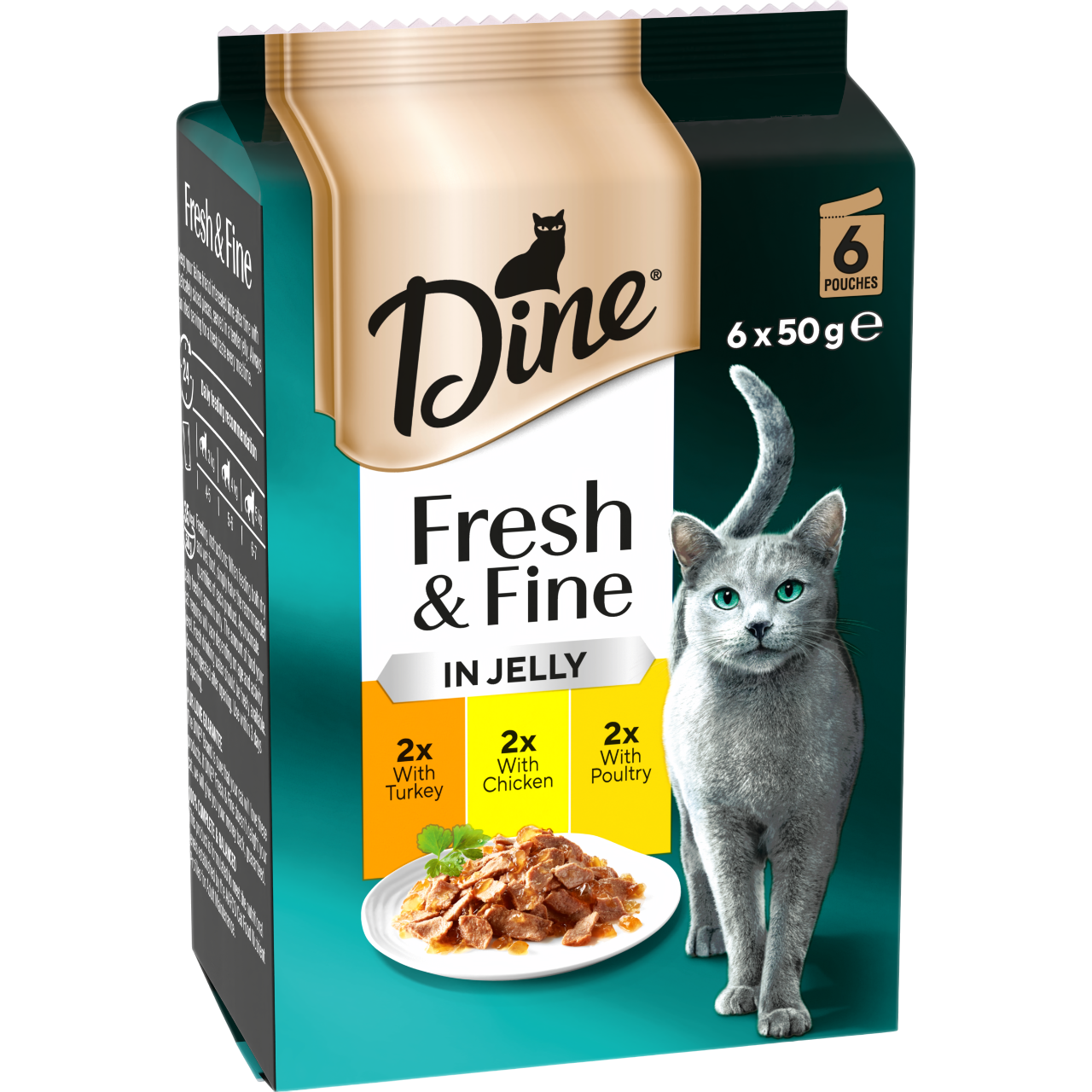
DINE® Fresh & Fine with Turkey, Chicken & Poultry in Jelly 6x50g
DINE® Creamy Treats Chicken Flavour 4x12g