

Persian Cat Guide: Personality, Care and Feeding
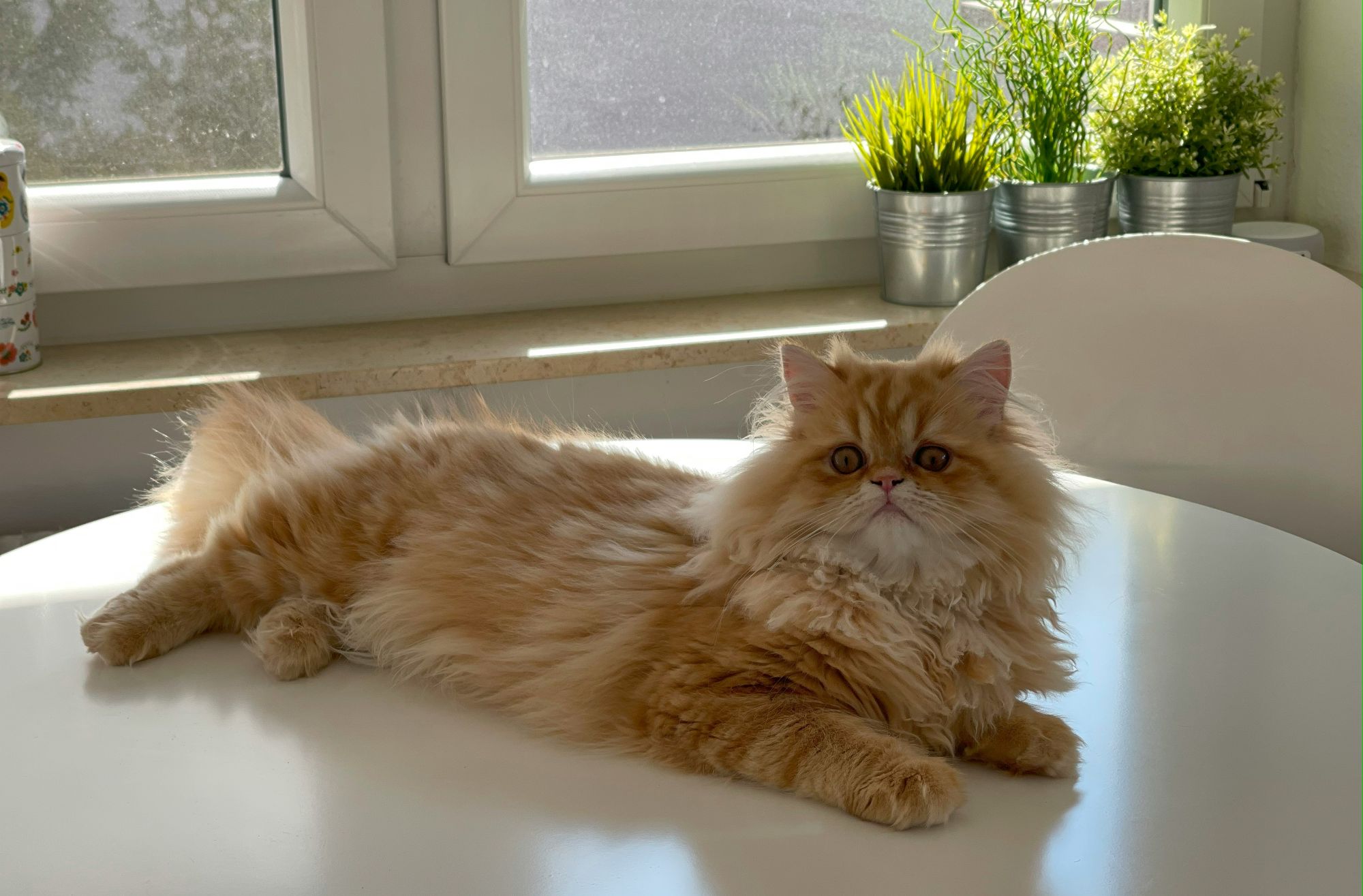
Image by Jeanie de Klerk on Unsplash
Key Takeaways
- Persian cats are one of the world’s oldest and most recognisable breeds — a calm, affectionate companion whose long, luxurious coat rewards devoted owners with quiet, unwavering devotion.
- Persian cats thrive indoors in calm, predictable households. Their gentle temperament makes them a wonderful match for families and individuals who can offer consistency, patience, and daily grooming.
- Feeding a Persian cat a high-quality, complete wet food — appropriate for their life stage — supports coat condition, healthy digestion, and comfortable eating for their uniquely flat-faced structure.
- Daily brushing, regular face and eye cleaning, and routine vet checks are non-negotiable for Persian cat wellbeing. Their iconic coat and brachycephalic features deserve attentive, loving care.
There is a quiet magic to sharing your home with a Persian cat. Serene where other breeds are spirited. Devoted where others are aloof. Gloriously, spectacularly fluffy where lesser cats would simply be… cats.
The Persian is one of Australia’s most cherished feline companions — a long-haired, flat-faced breed known the world over for its calm nature, silky coat, and soulful round eyes. Whether you are already the proud devotee of a Persian, or you are considering welcoming one into your world, this guide covers everything you need to know: from Persian cat characteristics and personality traits, to feeding through every life stage, grooming rituals, and everyday care.
Persian Cat History and Breed Characteristics
The story of the Persian breed begins somewhere enchanting — the sweeping landscapes of ancient Persia (modern-day Iran), where long-haired cats were first documented as far back as the 1500s. Travellers and traders brought these magnificent animals westward, and by the 1600s, they had captured the hearts of European aristocracy. It was in Britain, through careful, deliberate selective breeding, that the modern Persian — with its distinctively flat face, compact body, and impossibly plush coat — was refined into the breed we know and adore today.
Today, the Persian stands as one of the oldest and most consistently popular cat breeds in the world, and in Australia, they remain a firm favourite among cat lovers who appreciate a companion with a little extra glamour.
Persian Cat Characteristics at a Glance
- Coat: Long, dense, silky — requires daily grooming
- Face shape: Brachycephalic (flat-faced), with large, expressive round eyes
- Body type: Cobby and muscular, with short, sturdy legs
- Coat colours: White, black, blue, cream, red, tortoiseshell, bicolour, tabby, and more
- Lifespan: 12–17 years with attentive care
- Energy level: Low to moderate — calm, unhurried, and gloriously content
Persian Cat Personality and Temperament
Persian cat personality is defined above all by calm. Where some breeds demand constant entertainment and adventure, the Persian is utterly content to simply be — draped elegantly across your lap, blinking slowly in a patch of afternoon sunlight, or simply gracing your home with their magnificent presence. These cats move through life at their own unhurried pace — and they expect their world to match.
Typical Persian Cat Personality Traits
Persian cat temperament can be summarised beautifully in three words: gentle, devoted, and dignified. Persians are affectionate without being demanding. They will seek out your company and settle beside you with the quiet certainty of a companion who knows they are loved — and knows they deserve to be. They are creatures of habit who flourish in calm, predictable environments. Sudden change or chaos can unsettle them; consistency is their love language.
Are Persian Cats Affectionate?
Deeply so — on their own terms. Persians bond closely with their chosen humans and tend to show affection through proximity rather than vocal performance. They will follow you from room to room, settle beside you on the sofa, and reward you with slow blinks and gentle purring. With strangers, Persians often remain politely reserved, preferring to observe before they extend their trust. Once that trust is earned, however, it is unwavering.
Are Persian Cats Vocal?
Compared to more theatrical breeds, Persians are remarkably quiet communicators. Their voice, when used, is soft and melodic. They tend to express their needs gently: a soft chirrup at dinnertime, a meaningful gaze when they want your attention. It is communication for those who appreciate subtlety.
Can Persian Cats Be Left Alone?
Persians are more independent than their devoted nature might suggest. They are not prone to separation anxiety in the way some highly social breeds can be, and they generally adapt to time alone with composure. That said, they do thrive on routine and appreciate companionship, so if you are away for extended periods, providing enrichment or considering a companion cat can make a meaningful difference to their wellbeing.
Is a Persian Cat Right for Your Home?
The Persian cat is not for everyone — and that’s precisely part of their charm. They are a breed that asks something of you: time, consistency, and a genuine willingness to meet their grooming and care needs. In return, they offer a level of calm companionship that many cat lovers find completely irreplaceable.
Are Persian Cats Good With Children?
Persians can be wonderful companions for families with gentle, respectful children. Their patient, easygoing temperament means they rarely react with aggression, but they do prefer calm interaction over boisterous handling. Teaching children to approach and handle a Persian respectfully — quietly, gently, without startling them — helps build a bond that can be genuinely beautiful.
Do Persian Cats Get Along With Other Pets?
With gradual, patient introductions, Persians generally adapt well to sharing their home with other cats and even cat-friendly dogs. They are not typically territorial, though they can be reserved at first. The key is patience: let your Persian set the pace, and avoid forcing interactions before they are ready.
Are Persian Cats Good for First-Time Owners?
Their temperament is easygoing, which is wonderful news for first-time owners. However, Persians require a real commitment to daily grooming — this is not optional for this breed. If you are prepared to invest in that daily ritual, a Persian can be a deeply rewarding first feline companion.
Indoor vs Outdoor Living
Persians are indoor cats. Their long coat picks up debris and tangles outdoors; their flat-faced structure makes them more vulnerable to heat and respiratory stress; and their quiet, trusting nature leaves them poorly equipped to navigate the hazards of the outside world. A safe, enriched indoor environment is where the Persian truly thrives.
What Type of Home Suits a Persian?
Quiet, calm, and predictable. Whether that’s a spacious family home or a cosy apartment matters far less than the atmosphere within it. Persians flourish where there is routine, gentleness, and a sofa they can claim as their own.
Persian Cat Physical Features and Health Considerations
The Persian’s distinctive flat face and glorious long coat are the breed’s most celebrated features — and they also require the most attentive care. Understanding the physical characteristics unique to Persians helps you become the proactive, informed carer your feline deserves.
- Eye Tearing and Staining: Persians commonly experience excessive tear production due to their flat facial structure. Daily gentle cleaning of the eye area helps prevent staining and keeps the delicate facial skin healthy.
- Breathing Sensitivity: Brachycephalic (flat-faced) cats can be more susceptible to respiratory issues, particularly in heat. Ensure your home remains cool and well-ventilated, especially during Australian summers.
- Dental Crowding: The Persian’s compact skull can mean teeth are more tightly packed, increasing the risk of dental disease. Regular dental checks and appropriate nutrition support long-term oral health.
- Polycystic Kidney Disease (PKD): Persians have a genetic predisposition to PKD, an inherited condition that causes cysts to develop in the kidneys. Reputable breeders test for this; regular vet checks and early monitoring are important.
- Hairball Management: The Persian’s long coat, when ingested during grooming, can contribute to hairball formation. High-quality nutrition and consistent grooming reduce this risk considerably.
Feeding a Persian Cat
Your Persian cat is, at heart, a discerning diner. They may not announce this with fanfare — that’s not their style — but they will notice, in the way only cats can, the difference between a meal that is merely adequate and one that is truly extraordinary.
Persian cats benefit from a high-quality, complete diet that actively supports their luxurious coat condition and aids in hairball management, with portion sizes tailored to their generally lower activity levels. Wet food is particularly well-suited to Persians: it supports hydration (important for kidney health), offers a texture that is easier for flat-faced cats to eat than hard kibble, and delivers the sensory richness that even the most composed Persian cannot help but appreciate.
For more on why wet food is such a powerful choice, explore our guide to the benefits of wet food.
Kitten Feeding for Persian Cats
Persian kittens are a marvel — tiny, wide-eyed, already impossibly fluffy, and in need of nutrition that matches the pace of their rapid development.
During the first year of life, a Persian kitten requires a complete, balanced kitten food formulated to support steady growth, coat development, immune function, and healthy bone formation. Their small mouths and developing digestive systems call for small, frequent meals — typically three to four times daily — rather than one or two large portions.
Look for a kitten-specific wet food with high-quality protein as the primary ingredient. DINE® Kitten Tender Chicken and Oceanfish (available for kittens aged 2–12 months) offers the kind of delectable, complete nutrition that sets young Persians up for a lifetime of thriving.
For more information on how often and how much to feed your kitten, explore our kitten feeding guide.
Adult Persian Cat Feeding
As your Persian matures into adulthood (typically from 12 months), their nutritional needs shift to maintaining a healthy weight, supporting coat lustre, and promoting long-term organ health.
Adult Persian cats should be transitioned to a complete adult wet food that accounts for their unique physical needs. Crucially, a Persian’s flat facial structure can make certain kibble shapes and sizes genuinely difficult to eat — wet food removes this barrier entirely, delivering nutrition in a form your cat can enjoy comfortably and eagerly.
Watch for changes in eating behaviour. Some Persians develop unusual eating habits linked to their facial structure — things like scooping food with a paw, eating from the side of the bowl, or preferring shallower dishes. Many of these quirks are entirely normal adaptations; others may warrant a vet conversation.
This guide explores weird eating habits in cats and what to do about them.
Senior Persian Cat Feeding
The senior years — from around 10 to 11 years of age — bring a shift in your Persian’s nutritional priorities. Ageing joints, changing organ function, and a potential reduction in activity all call for thoughtful dietary adjustments.
Senior Persian cats benefit from food that supports joint health, kidney function, and lean muscle maintenance, alongside continued attention to hydration. Persians are predisposed to kidney health issues as they age, making moisture-rich wet food even more important in their senior years. Little and often — two to three meals per day — can be easier on their digestion than one large meal.
For more on supporting your ageing Persian, explore our guide to caring for your older cat.
Grooming a Persian Cat’s Coat
The Persian’s coat is nothing short of extraordinary — dense, silky, and breathtakingly beautiful. It is also, without question, the most demanding aspect of Persian cat ownership. Daily grooming is not a luxury for this breed; it is an absolute necessity.
Think of your Persian’s grooming routine as a daily ritual of connection. A moment to slow down, to run your fingers through that magnificent coat, and to truly notice your cat. Most Persians, with gentle introduction from kittenhood, come to adore their grooming sessions.
Daily Brushing Routine
A wide-toothed comb or a soft slicker brush, used gently from root to tip, should be part of every single day. Focus on areas prone to matting: behind the ears, under the arms, and around the collar and chest. Work through any tangles slowly and carefully — never force through a mat, as this causes pain and erodes trust.
Bathing a Persian Cat
Bathing is not a daily requirement, but many Persian owners find a bath every four to six weeks helps maintain coat condition and cleanliness. Use a gentle, cat-specific shampoo and warm (not hot) water. Always dry your Persian thoroughly afterwards — a wet Persian coat takes a surprisingly long time to dry, and a damp cat can become chilled.
Eye and Face Cleaning
This is non-negotiable. Persian cats commonly experience tear overflow, and the moist skin in the facial folds can develop irritation or infection if not kept clean. Each day, gently wipe the area around your Persian’s eyes with a soft, damp cloth or specifically formulated eye wipes. Work from the inner corner of the eye outward, using a fresh section of cloth for each eye.
Nail and Ear Care
Trim your Persian’s nails every two to three weeks to prevent them curling into the paw pads. Check ears weekly for any wax build-up, redness, or unusual odour. Routine ear cleaning with a vet-approved solution keeps this sensitive area healthy.
Preventing Mats and Knots
Consistency is your greatest tool against matting. A daily brush takes only minutes and prevents the painful, dense mats that can develop remarkably quickly in a Persian’s dense undercoat. If a mat does form, try to gently tease it apart with your fingers or a fine-toothed comb before reaching for scissors — and if in doubt, a professional groomer who specialises in long-haired cats can be an invaluable ally.
Everyday Care and Enrichment for a Persian Cat
While the persian cat is famously low-energy, “low-energy” should never be confused with “low-needs.” Persians still crave engagement, stimulation, and connection — just delivered at their preferred, unhurried pace.
- Gentle play sessions: Short, daily play sessions with feather wands or soft toys keep your Persian mentally engaged without overwhelming them. Ten minutes, twice a day, is often perfect.
- Comfortable resting spaces: Persians love elevated but safe resting spots — think plush window perches with a view, or a dedicated cat bed in a quiet, sunny corner.
- Scratching posts: Essential for nail health and territorial comfort. Choose stable, tall scratching posts with soft material.
- Calm routine: More than almost any breed, Persians thrive on predictability. Consistent feeding times, regular grooming, and a settled household rhythm make an enormous difference to their sense of security.
And of course — there is always time for a delectable treat. DINE® Creamy Treats offer a sumptuous moment of connection between you and your Persian that never, ever gets old.
Discover the world of delectable DINE® Cat Food
Your Persian cat has exquisite standards. Fortunately, so do we. DINE® Cat Food offers a range of premium wet cat foods crafted to delight even the most discerning feline diner — from luxurious fillets in delicate broths to rich, velvety gravies that turn every mealtime into an occasion. Explore the full DINE® product range and discover what your Persian has been waiting for.
Frequently Asked Questions
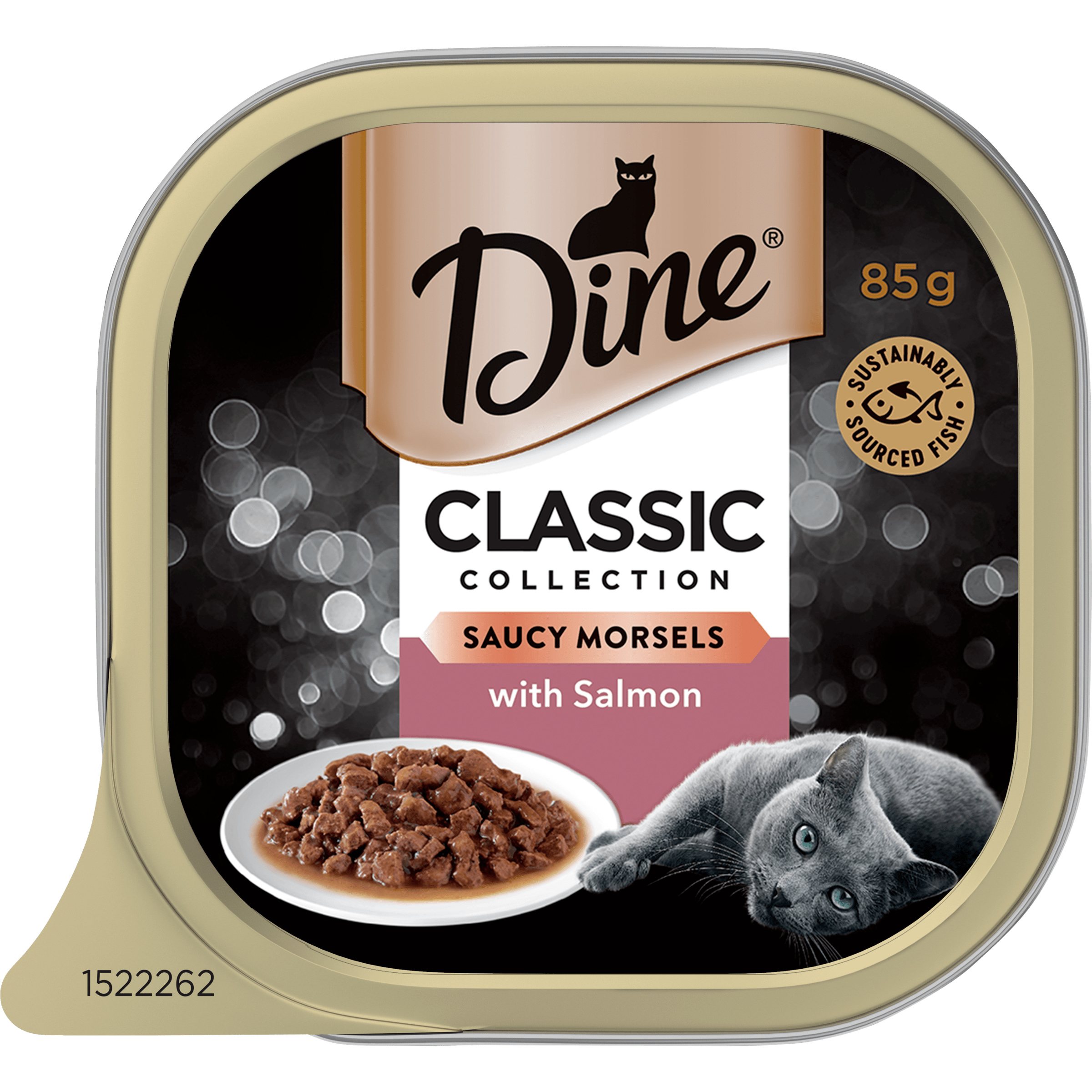
DINE® Classic Collection Saucy Morsels with Salmon
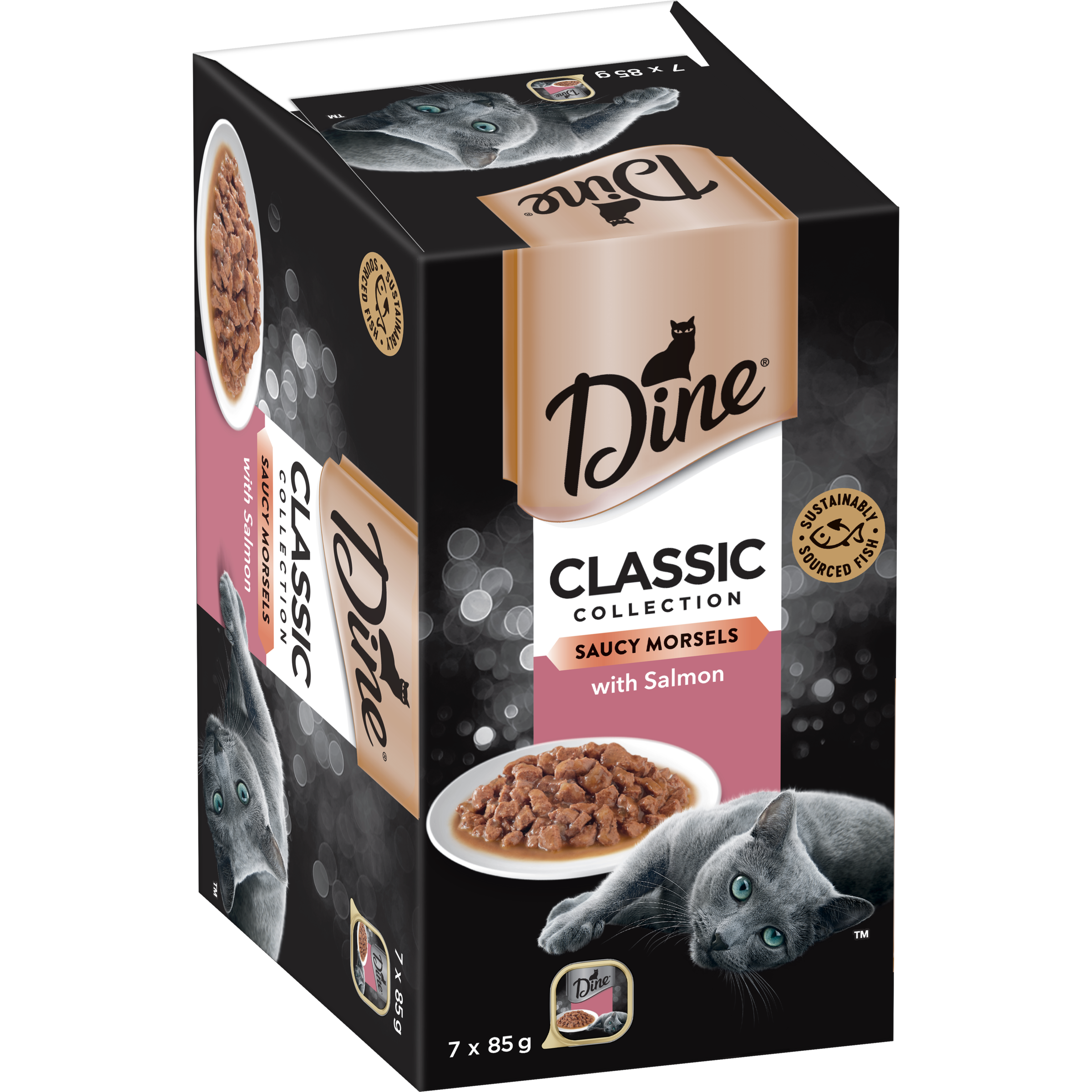
DINE® Classic Collection Saucy Morsels with Salmon 7pk
DINE® Classic Collection Saucy Morsels with Tuna Mornay and Cheese
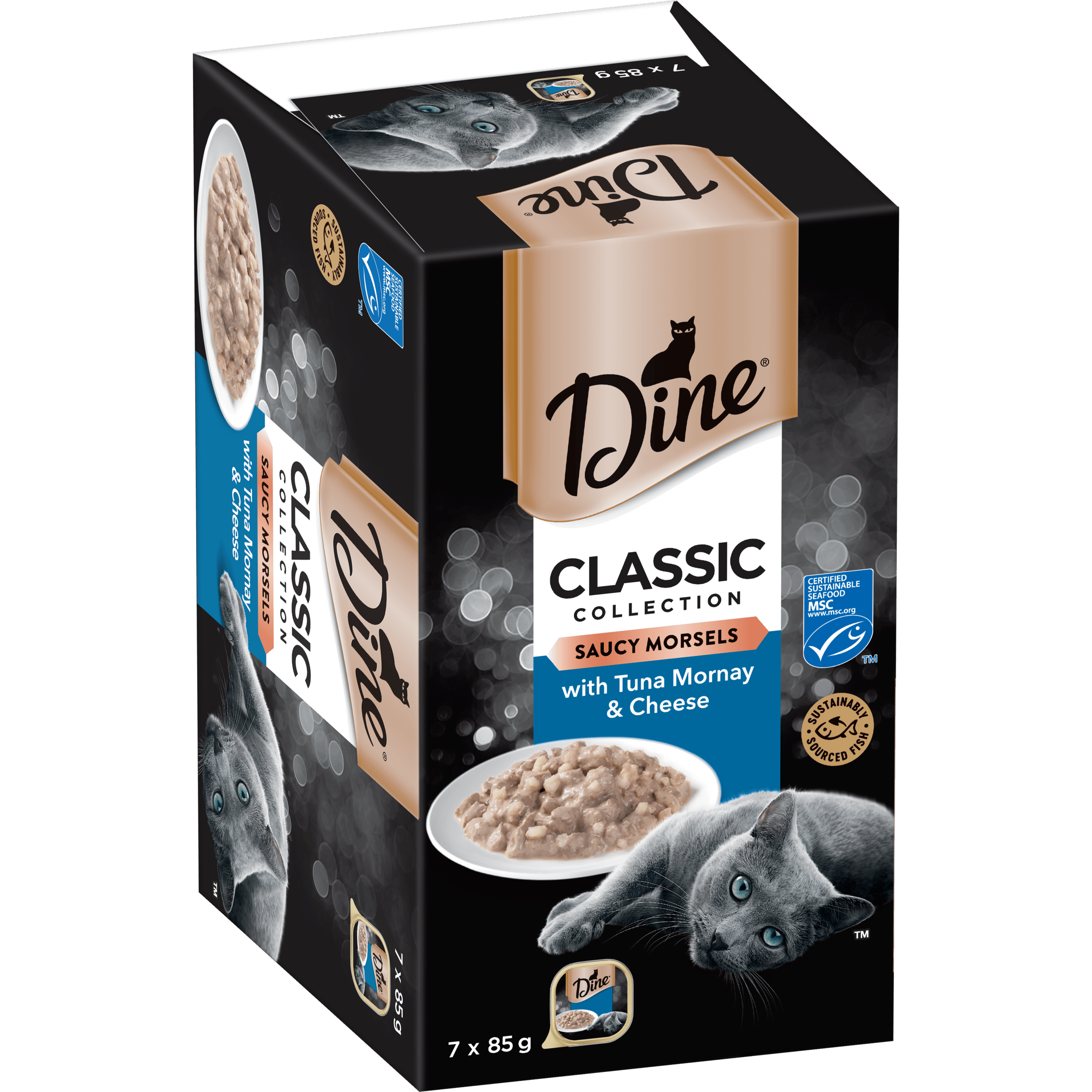
DINE® Classic Collection Saucy Morsels with Tuna Mornay and Cheese 7pk
Related Products
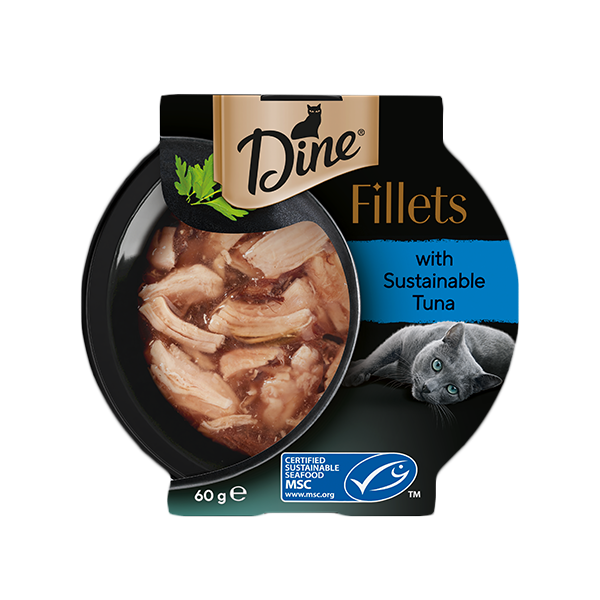
DINE® Fillets with Sustainable Tuna
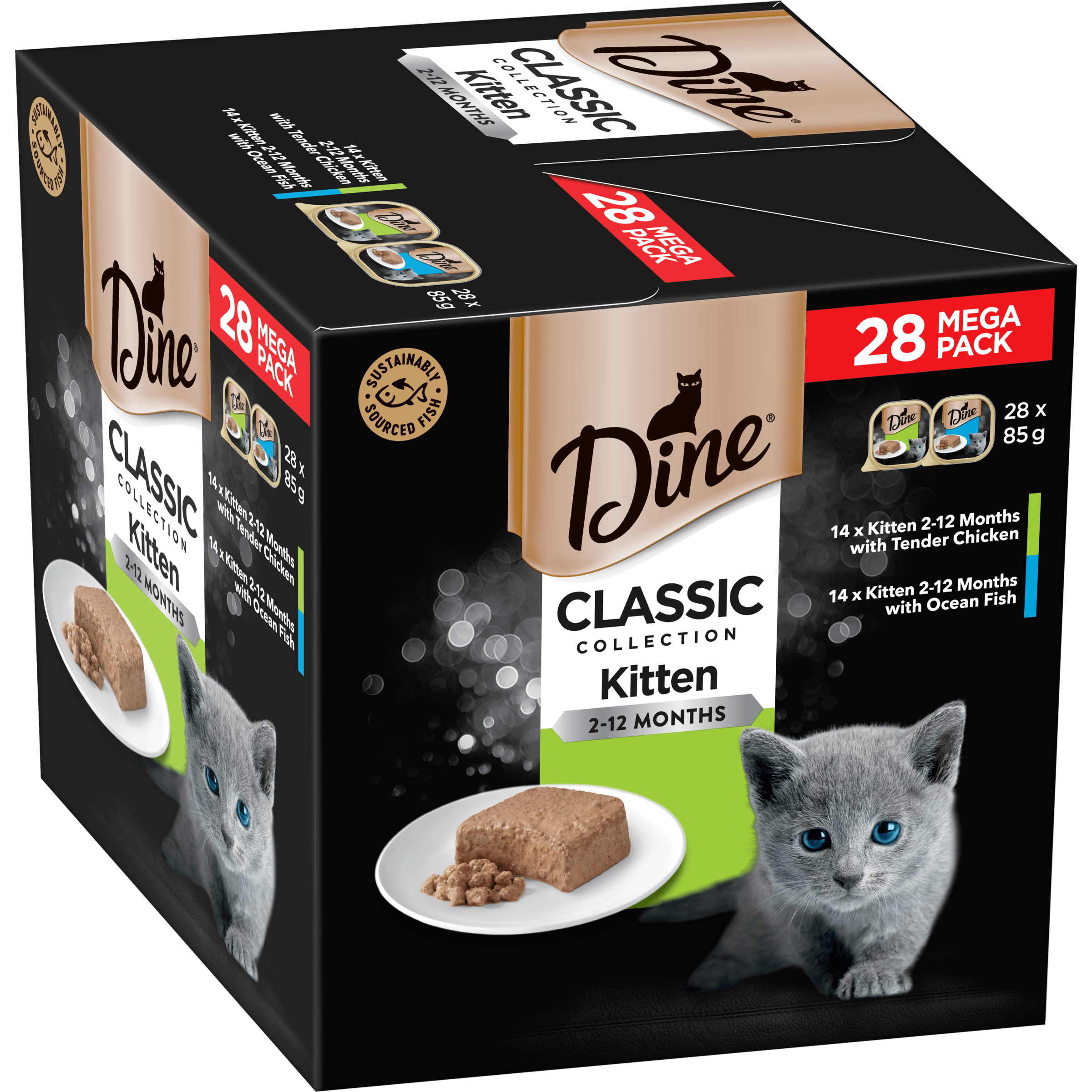
DINE® Kitten with Tender Chicken Plus Oceanfish 2-12 Months
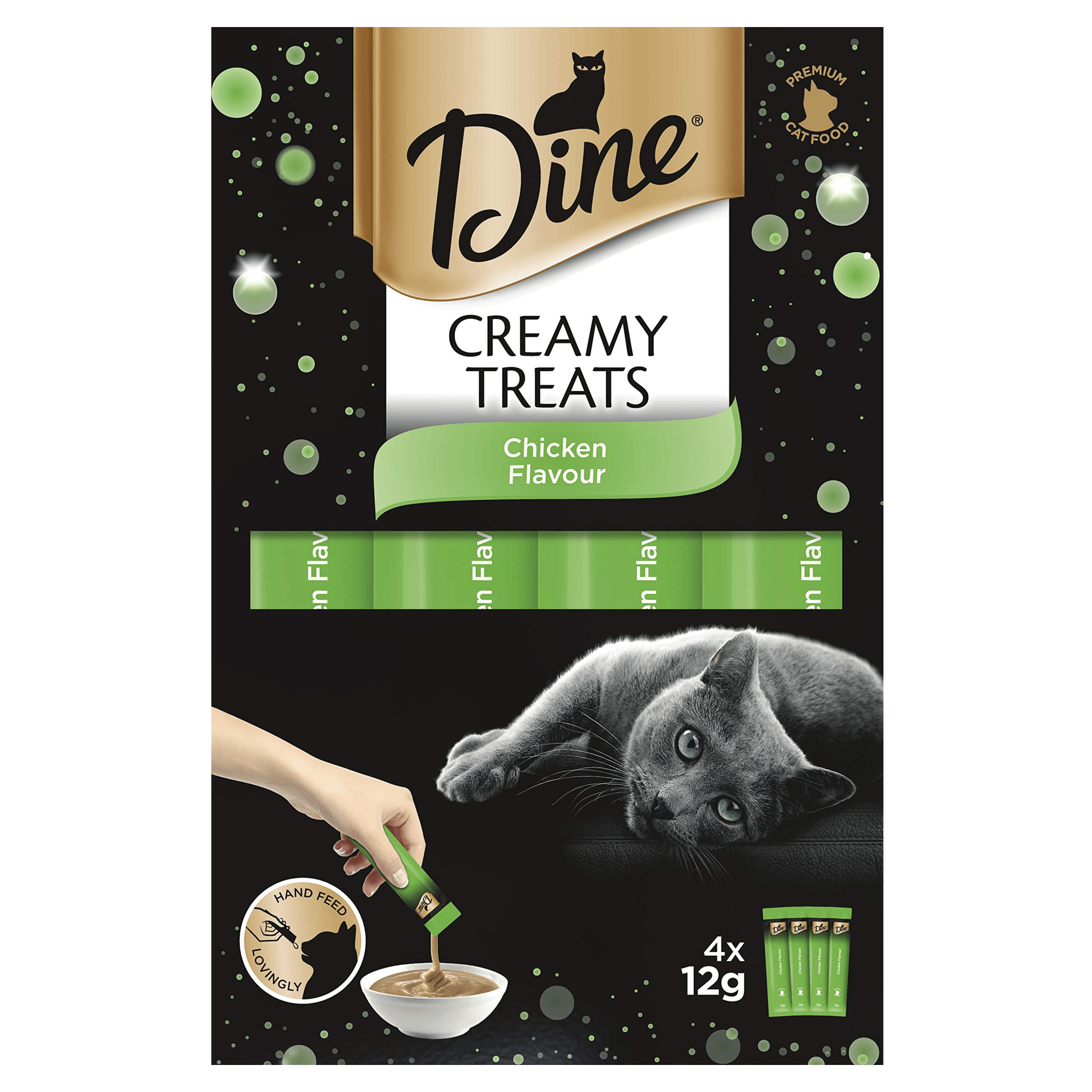
DINE® Creamy Treats Chicken Flavour 4x12g
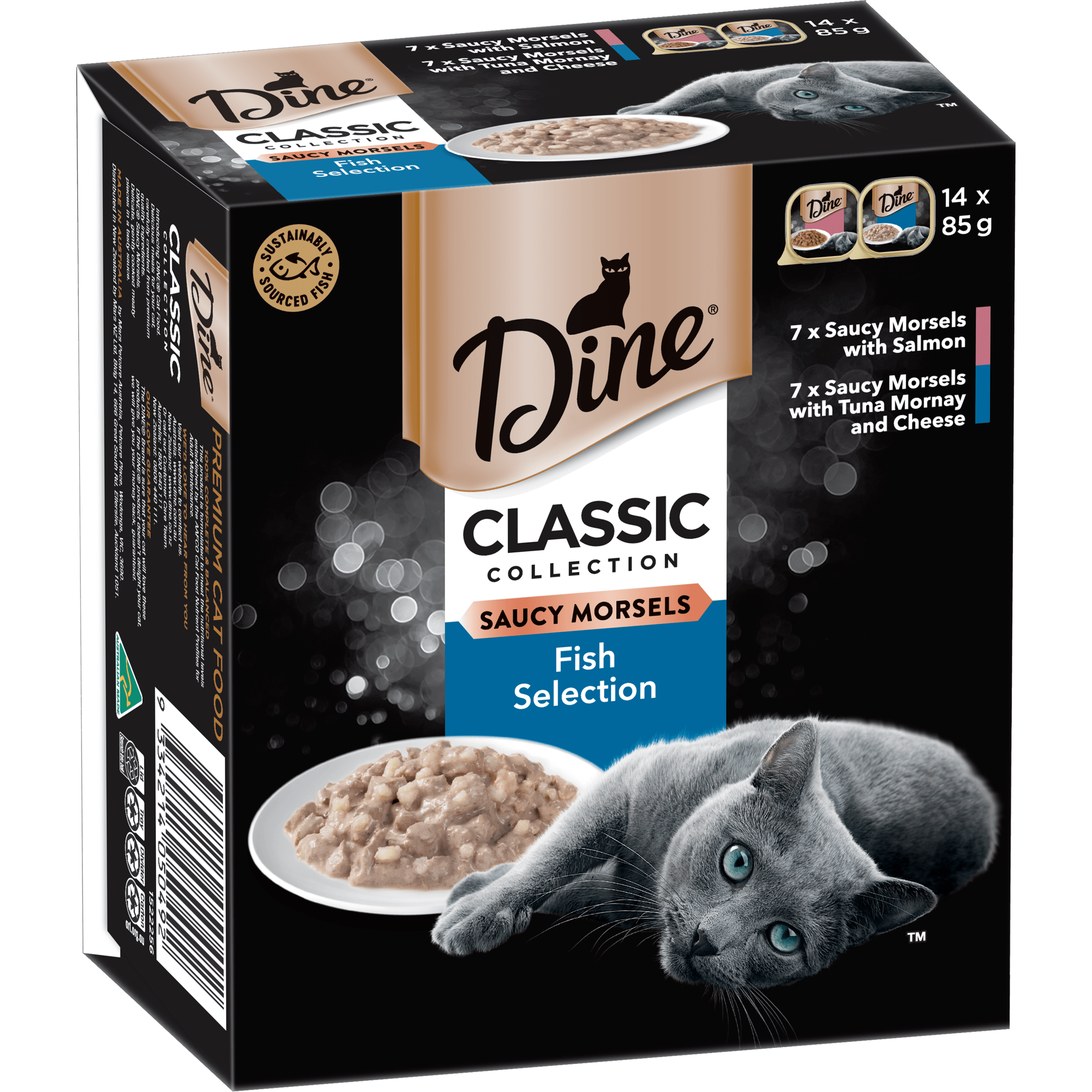
DINE® Classic Collection Mixed Fish Selection
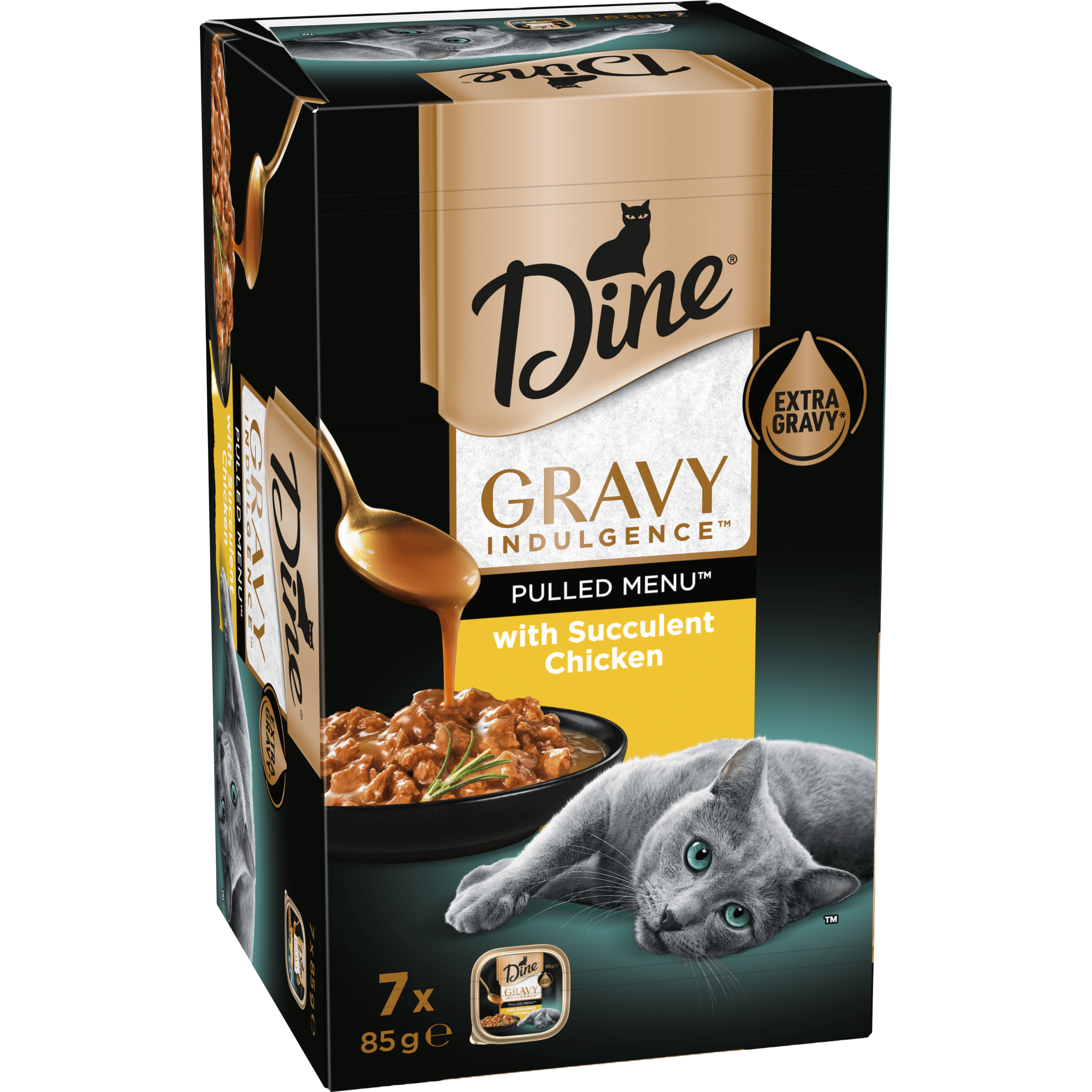
DINE® Gravy Indulgence™ Pulled Menu™ with Chicken 7pk